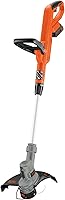
What Is a String Trimmer Used For?
A string trimmer cuts grass and light weeds where a mower cannot reach, such as along fences, around trees, and beside garden beds. Some models also convert to an edger for cleaner lines along walks and driveways.
On this page (8 sections)
- What is a string trimmer used for around a yard?
- How does a string trimmer cut grass?
- Can a string trimmer edge a lawn?
- Is a string trimmer good for tall grass and weeds?
- Which trimmer features help with common yard jobs?
- How do you use a string trimmer safely?
- How do you choose a string trimmer for your yard?
- What is a string trimmer used for when you are choosing a tool?
A string trimmer cuts grass and light weeds where a lawn mower cannot reach, including along fences, around trees, and beside garden beds. Some models also convert to an edger for cleaner lines along sidewalks and driveways.
People also call this tool a weed eater or weed wacker. Its spinning line handles lawn edges and tight spots, but it is not the right choice for every kind of brush or overgrowth.
What is a string trimmer used for around a yard?
A string trimmer is used to tidy grass in narrow or obstructed areas a mower misses. The rotating line reaches around obstacles without bringing a mower deck close to them.
Common jobs include:
- Trimming grass around trees, posts, and fence lines
- Cutting lawn growth beside flower beds and foundations
- Tidying grass along walks, driveways, and patios
- Reaching small patches behind sheds or other obstacles
- Touching up lawn edges after mowing
Move slowly around hard surfaces and objects. The line can wear down quickly against concrete, and it can damage bark, siding, or delicate plants if you let it strike them.
For a broader look at features that affect these jobs, read our string trimmer buying guide.
How does a string trimmer cut grass?
A string trimmer cuts with a fast-spinning length of flexible line mounted in a cutting head. The line strikes grass and weeds as the head rotates.
The motor may run on battery power, gas, or electricity, depending on the model. Line diameter and cutting width also vary, so check the tool's instructions to find the line it accepts and the jobs it is meant to handle.
A trimmer is often called a weed eater, but the names do not change how the tool works. See how to choose a weed eater for your yard for help comparing the main types.
Can a string trimmer edge a lawn?
Some string trimmers convert to an edger, and some can be turned to cut along a lawn border if the maker allows it. A dedicated or converted edging position helps keep the cut line upright beside a walkway.
The WORX WG163 changes from trimmer to edger and has support wheels to guide the edging cut. Its head also tilts 90 degrees for uneven lawn areas.
An edging function is useful for lawn borders, but it does not replace trimming around trees, posts, or beds. Follow the tool's instructions for switching modes and keep the guard in place.
Is a string trimmer good for tall grass and weeds?
A string trimmer can cut some tall grass and weeds, but it may need several controlled passes through dense growth. The right choice depends on the thickness of the stems and the tool's cutting capacity.
Start at the top of tall grass and work down in stages rather than forcing the head into a thick patch. Keep the line away from people, pets, windows, and vehicles because it can throw debris.
For practical steps and limits, see how to cut tall grass and weeds with a string trimmer. For heavy brush or woody stems, choose a tool designed for that work instead of expecting a standard trimmer line to cut everything.
What should you avoid cutting with a string trimmer?
Avoid using a standard string trimmer on thick woody stems, saplings, or material the manual excludes. A line head is meant for grass and weeds, and forcing it can wear the line or strain the tool.
Work carefully near tree trunks and garden plants. The line can scrape bark or cut stems, so leave a little space and finish delicate areas by hand if needed.
Which trimmer features help with common yard jobs?
The most useful features depend on where you plan to trim and how often. A convertible head helps with edging, while a wider cutting path can cover more ground per pass.
The BLACK+DECKER LST522 switches between two speeds and converts from trimming to wheeled edging. Its automatic line advancement feeds line as you work.
Consider a tool with attachment capability if you want one power head to support more than trimming. The Greenworks 40V model is compatible with listed edger, hedge, pole saw, cultivator, and blower attachments.
Attachment compatibility is specific to the tool and attachments named for it. Check compatibility before buying an attachment, and compare the tool's weight and power source with your yard needs.
How do you use a string trimmer safely?
Use a string trimmer with its guard in place and protective gear on. Eye protection, sturdy footwear, and long pants help protect you from debris thrown by the spinning line.
Before starting, clear sticks, stones, and other loose objects from the area. Keep people and pets well away, and stop the tool before clearing tangled grass or checking the head.
Hold the trimmer with both hands and guide it at a steady pace. Follow the manual for starting, line replacement, and safe use around slopes or obstacles.
How do you choose a string trimmer for your yard?
Choose a string trimmer based on the areas you need to reach, the growth you cut, and how you prefer to power the tool. A small lawn with neat borders may call for different features than a large yard with long fence lines.
Think through these points before choosing:
- Yard size: A larger area may need more runtime or a wider cutting path.
- Edging: Look for a conversion feature or an edging mode if you want defined borders.
- Obstacles: A lighter, easier-to-control tool can help around beds and trees.
- Growth: Match the trimmer to grass and weed thickness, not just the advertised cutting width.
- Power source: Compare battery, gas, and corded options for your yard and storage.
- Reach and comfort: Shaft shape, handle settings, and tool weight affect how it feels to guide.
Our guide to straight shaft vs curved shaft trimmers explains how shaft style can affect reach and handling. If you already know the type of growth you need to manage, use that to narrow down the tool.
What is a string trimmer used for when you are choosing a tool?
A string trimmer is best for grass and light weeds in places a mower cannot reach. Choose an edging conversion if neat borders matter, and choose a tool rated for heavier growth if your yard has thick or woody plants.
The WORX and BLACK+DECKER options combine trimming with wheeled edging, while the Greenworks model supports compatible yard-tool attachments. Compare their features with your yard, then use the string trimmer buying guide to weigh power, weight, and line.
Frequently asked questions
What does a string trimmer do?
A string trimmer spins a cutting line to trim grass and light weeds in places a lawn mower cannot reach. Use it around trees, fence posts, beds, and other obstacles, while keeping the line away from trunks, siding, and delicate plants.
Some models can also edge along walks.
Can a string trimmer cut tall grass?
A string trimmer can cut some tall grass, but dense or overgrown growth may take repeated passes and a suitable line and tool. Work in small sections, keep the head controlled, and avoid forcing the motor.
For woody brush or thick stems, use a tool designed for that material.
Can I use a string trimmer as an edger?
Some string trimmers convert to an edger, while others can be turned sideways for light edging if the manual allows it. A wheeled edging setup can help guide the cut along sidewalks and driveways.
Check the tool instructions and keep people clear of thrown debris.
Is a string trimmer the same as a weed eater?
A string trimmer and a weed eater usually refer to the same type of lawn tool: a motor spins nylon line to cut grass and weeds. Weed Eater is also a brand name, so the phrase can mean either the tool category or a specific brand in some contexts.