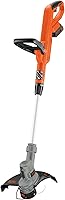
String Trimmer Buying Guide: Power, Weight and Line
Choose a string trimmer by matching its power, weight, cutting width and line to your yard. A small lawn with light edging needs less capacity than tall weeds, long sessions or dense brush.
On this page (11 sections)
- How do you choose a string trimmer for your yard?
- How much power does a string trimmer need?
- How does weight affect trimming comfort?
- What cutting width fits your trimming routine?
- Which trimmer line should you use?
- What shaft style and head features matter?
- Which features make line changes easier?
- Which string trimmer features help with battery use?
- How do these four trimmers fit different needs?
- What should you check before buying a string trimmer?
- Which string trimmer should you choose?
A string trimmer buying guide should help you match power, weight, cutting width and line to the growth in your yard. Start with the toughest routine job you expect to handle, then choose the lightest tool that can do it comfortably.
For a small lawn with short grass and occasional edging, a compact battery trimmer may be enough. Thick weeds, a large area or longer sessions call for closer attention to power, runtime, line and balance.
This guide covers the choices that most affect comfort and trimming ability. For a step-by-step yard assessment, read how to choose a weed eater.
How do you choose a string trimmer for your yard?
Choose a trimmer by what you cut, how much ground you cover and how long you work at a time. A tool that suits short lawn edges may struggle with dense growth or leave you carrying more weight than needed.
Walk the yard and note the job areas: lawn edges, fence lines, trees, beds, slopes and overgrown patches. Estimate how often you trim and whether the work is a quick touch-up or a full-yard session.
Use these questions to narrow the field:
- How tough is the growth? Short grass and light weeds need less cutting capacity than tall, thick growth.
- How large is the area? More ground means more runtime for battery models and more time holding the tool.
- Where will you trim? Tight beds and obstacles call for maneuverability; long fence lines make reach and comfort more noticeable.
- Will you edge too? A convertible head or edging wheel can help if you regularly want a defined lawn border.
- What battery system do you own? A compatible battery may let you use tools across one platform.
Think about the hardest job you do regularly, not an occasional patch you could manage another way. If that job requires a heavier machine, make sure its weight and balance still suit the length of your typical session.
How much power does a string trimmer need?
Choose enough power for your regular growth, but don't use voltage as the only measure. Cutting width, line, motor design, speed controls and battery capacity all affect how a trimmer fits your work.
Battery voltage identifies the tool's platform, not a simple guarantee of cutting performance. Compare the model's features and intended tasks, and look at runtime claims as estimates from the maker rather than a promise for every yard.
| Yard task | What to prioritize |
|---|---|
| Lawn edges and short grass | Easy handling, straightforward line feeding and suitable line |
| Routine trimming around a typical yard | A useful balance of runtime, cutting width and weight |
| Long fence lines or larger areas | Battery capacity, comfortable balance and a wider cutting path |
| Dense or tall growth | A tool designed for tougher work, suitable line and speed control |
Battery tools can be convenient for regular home maintenance. Gas models can suit buyers who need extended work away from charging, but require fuel and engine maintenance.
A battery model may also make sense if you already own compatible tools. Check which batteries fit the trimmer and what comes in the kit before comparing platforms.
For a closer look at the trade-offs, see string trimmer gas vs battery and 40V vs 20V trimmers.
How does weight affect trimming comfort?
Choose a trimmer you can carry and guide comfortably for the whole job. Tool weight alone may not reflect the weight in your hands once you add a battery or fuel.
Check whether a listed weight includes the battery. Then consider balance: a well-balanced tool can feel easier to guide than a similarly heavy tool with more weight toward the cutting head.
Your working position matters too. A shaft that's too short can encourage bending, while a long shaft may feel awkward in tight spaces.
Adjustable handles or shafts can help you find a more comfortable position, if the model has them.
The WORX WG163 weighs 5.5 lb and includes batteries, while the EGO ST1623T weighs 7.5 lb. These figures offer a comparison point, but the balance, cutting head and your work area also affect how each feels to handle.
If you trim for long stretches or have difficulty carrying tools, give weight and adjustability extra attention. Our guide explains how much a string trimmer weighs.
What cutting width fits your trimming routine?
Cutting width sets how broad a path the head covers in one pass. A wider path can cover open ground faster, while a narrower one may be easier to guide around tight beds and obstacles.
Compare width with the type of work you do most. A 12 in path can suit careful trimming around small lawn features, while a wider path can reduce passes across open areas.
Wider cutting paths may also ask more of the tool, line and battery during demanding work. Don't pick a width in isolation; check how it fits the trimmer's power and your yard's growth.
For example, the WORX and Greenworks models here have 12 in cutting widths, while the CRAFTSMAN has a 13 in path and the EGO has a 16 in path. They represent different combinations of width, line and other features rather than a simple ranking by size.
Which trimmer line should you use?
Use the line diameter and type approved for your trimmer. The manual's limits matter because line that's too thick or otherwise unsuitable may not feed or operate as intended.
Thicker line may help with tougher vegetation when the trimmer supports it. Lighter line can fit routine lawn trimming, but the correct choice depends on the model and its head.
Line shape also matters. A spool system may be designed for a specific line style, so confirm compatibility before buying replacement spools.
Some trimmers feed line automatically, while others use a bump or button feed. These systems change how you advance line, not which diameter the machine accepts.
The WORX WG163 and Greenworks 40V models use 0.065 in line. The CRAFTSMAN kit includes a spool that feeds 0.065 in line, while the EGO's included line is listed as 0.095 in.
For help comparing diameter and use, read what size trimmer line to use.
What shaft style and head features matter?
Choose shaft and head features around the reach and control your yard requires. Long fence lines, obstacles, slopes and edging can each make a different feature useful.
Straight and curved shafts have different reaches and handling. A straight shaft may help you reach under shrubs or along a fence, while a curved one can suit closer work; the best fit depends on your posture and trimming area.
A pivoting head can help when edging or working on sloped ground. A spacer guard can keep the cutting line farther from plants and landscape features, while support wheels can guide an edging pass.
For example, the WORX WG163 head tilts 90 degrees and has rubberized wheels for edging. The CRAFTSMAN V20 trimmer can switch to edging with its Turn-To-Edge function.
If edging is a regular part of your routine, compare these features with a separate edger's setup and storage needs. Our guide to straight vs curved shaft trimmers explains the handling trade-offs.
Which features make line changes easier?
Look for a feed system that matches how much interruption you're willing to manage. Automatic feed, button feed and push-button winding solve different parts of the line-handling task.
An automatic feed system advances line during operation. Button feed lets you request more line, while a quick-winding head can reduce the steps involved when you reload.
These features won't remove the need to use compatible line or reload the spool eventually. Check how the head works and whether replacement spools are easy to find for the model you choose.
The WORX WG163 has a push-button Command Feed system. The Greenworks model uses auto feed, and the EGO ST1623T uses Powerload to wind line with a button.
Which string trimmer features help with battery use?
For a battery trimmer, compare runtime, battery capacity, charging and platform compatibility. The useful choice is the one that covers your normal job without leaving you with an inconvenient charging routine.
Runtime varies with growth, speed and how continuously you trim. A maker's runtime figure gives you a reference point, but heavier work can use a battery faster than light edging.
Variable speed can help you adjust output to the job. Lower speed may help prioritize runtime for lighter work, while higher speed can suit more demanding areas when the model offers that choice.
Also check how long a replacement battery takes to charge and whether you can use a second compatible battery. A spare can keep work moving while the first charges, if the tool supports interchangeable batteries.
The CRAFTSMAN kit offers 2 speed settings and a stated runtime of up to 63 minutes with its included 4Ah battery on low speed. EGO states up to 60 minutes with its included 4.0Ah battery.
How do these four trimmers fit different needs?
These four options show how weight, line, width and useful extras can point to different buyers. Match the individual combination to your yard rather than choosing by voltage or cutting width alone.
WORX WG163: compact trimming and edging
The WORX WG163 suits a small yard where one tool for trimming and edging is useful. It weighs 5.5 lb, has a 12 in cutting width and converts between trimmer and in-line edger.
Its button-operated line feed lets you request line, and the adjustable spacer guard helps protect plants and landscape features. The head tilt can also help on sloped terrain and in hard-to-reach areas.
Consider it if you want a lighter tool that also handles lawn edging. Its 12 in cutting width and 0.065 in line point to a different setup than wider models for open areas or demanding growth.
EGO Power+ ST1623T: wider cutting path and line features
The EGO ST1623T suits buyers who value a 16 in cutting path, adjustable shaft length and assisted line handling. It weighs 7.5 lb and includes a 4.0Ah battery and charger.
EGO says its included battery provides up to 60 minutes of runtime on one charge. The digital speed selector lets you match speed to the working situation, and the tool works with EGO 56V ARC Lithium batteries.
Consider it for longer trimming sessions where shaft adjustment and line handling matter. Its larger cutting path and included battery make it a different fit from compact 12 in options.
Greenworks 40V: routine trimming with variable speed
The Greenworks 40V trimmer suits routine lawn maintenance, edging and trimming around sidewalks or beds. It has a 12 in cutting path, 0.065 in dual line and an automatic feed system.
The variable-speed trigger lets you adjust power for the task. Greenworks describes it as lightweight and ergonomic, but the listed tool weight is 12 lb, so compare the weight details and handling before choosing it for long sessions.
Consider it for controlled routine trimming and a familiar 40V platform. Its 12 in width is narrower than the EGO's, which may suit tighter areas better than broad open ground.
CRAFTSMAN V20: adjustable handling and two speed settings
The CRAFTSMAN V20 kit suits buyers who want trimming and edging functions, an adjustable handle and two speed settings. It has a 13 in cutting swath and comes with a 4Ah battery and charger.
CRAFTSMAN states up to 63 minutes of runtime on low speed with the included battery. Its Turn-To-Edge function switches the tool for edging, and the trimmer is part of the V20 cordless system.
Consider it if handle adjustment and the V20 battery platform suit your routine. The runtime figure is a maker statement, so treat it as a reference rather than a guarantee for every yard.
What should you check before buying a string trimmer?
Check the full tool setup, the battery or fuel plan, and the replacement line before you choose. A short pre-buy list can help avoid a tool that fits one feature but not the job.
- Compare tool weight with battery or fuel installed.
- Confirm the cutting width and approved line diameter.
- Check whether the tool includes a battery and charger.
- Make sure replacement line and spools are available and compatible.
- Compare the shaft length and handle adjustment with your height and reach.
- Confirm whether the head supports edging if you need that function.
- Review the battery platform and charging routine for cordless models.
- Check the warranty terms directly with the manufacturer.
A wider path can reduce passes, but it won't make a tool comfortable to hold. Likewise, a larger battery can support longer work but may add weight, so compare the complete setup.
For problems that arise after purchase, see why trimmer string keeps breaking for common line and feeding causes.
Which string trimmer should you choose?
Choose a compact model with a narrower cutting path for short grass, tight beds and occasional edging. For larger areas or longer sessions, give battery capacity, line handling, shaft adjustment and comfort more weight.
If the yard has tall growth or thick weeds, focus on a tool and line designed for that work. Start with the routine job you need to complete, compare the ready-to-use weight and features, then choose the option that fits your yard without adding capacity you won't use.
For more options by use case, browse string trimmer shortlists and compare the specific features that matter to your work.
Frequently asked questions
How much power do I need in a string trimmer?
Choose enough power for the grass and weeds you cut most often. Light lawn edges and short grass call for less capacity than thick growth or long sessions.
For battery models, compare voltage, battery capacity, speed controls and the maker's stated runtime, while remembering that runtime can vary by conditions.
Is a 20V or 40V string trimmer better?
Neither voltage is always better; match the tool to your workload and the battery system you already own. A lighter-duty yard may suit a compact 20V trimmer, while a 40V model may offer a fit for more demanding routine trimming.
Compare cutting width, weight, line and controls too.
What is a good weight for a string trimmer?
A good weight is one you can guide comfortably for the full time you expect to trim. Compare tool weight and the complete ready-to-use weight, including the battery, then consider balance and shaft length.
Our guide to string trimmer weight explains what to check.
What size line should I use in a string trimmer?
Use the line diameter and shape approved for your specific trimmer. Thicker line can suit tougher growth only when the tool supports it; using the wrong line can affect feeding and operation.
Check the manual, then see our string trimmer line size guide for help matching line to the job.
Should I buy a straight or curved shaft trimmer?
Choose based on reach, control and the areas you trim. Straight shafts can provide more reach for edging under shrubs or along fences, while curved shafts may feel easier to maneuver for some nearby lawn work.
Compare the actual tool's balance and length in our shaft comparison guide.