Straight Shaft vs Curved Shaft Trimmer: Which Fits You? (October 2026)
Choose a straight shaft for reach under shrubs and other obstacles; choose a curved shaft for close, lighter trimming in open areas. Your yard layout, reach and comfort matter more than shaft shape alone.
On this page (7 sections)
- Straight shaft vs curved shaft trimmer: which fits your yard?
- When should you choose a straight shaft?
- When does a curved shaft make more sense?
- Does shaft length affect comfort and control?
- How do power and attachments change the choice?
- What should you check before choosing a shaft?
- Which shaft should you pick?
Choose a straight shaft for reaching under shrubs and obstacles; choose a curved shaft for close trimming in open areas. In the straight shaft vs curved shaft trimmer decision, reach and control matter more than a universal claim that one shape is better.
A straight shaft can extend your reach beneath bushes and along fence lines. A curved shaft often places the head closer to your body, which some people find easier to guide around nearby grass.
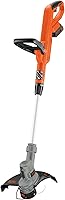
The products below show why it helps to compare the whole tool, too. One has a clearly specified straight shaft, while two are options to consider for other features, with shaft shape left unconfirmed here.
 Best for attachment flexibility
Greenworks 40V 16-Inch Attachment-Capable Trimmer

Straight shaft vs curved shaft trimmer: which fits your yard?
Pick the shaft that lets you keep the cutting head at a comfortable angle for the areas you trim most. A long reach helps around obstacles, while a compact feel can help with quick edging and close passes.
A straight shaft usually places the cutting head farther from your hands. That reach can help you trim beneath low branches, under shrubs and along a fence without leaning as far.
A curved shaft bends toward the head, bringing it closer to the operator. In an open yard or around lawn edges, that shorter reach may feel easier to steer.
Neither shape guarantees comfort. Your height, handle position, tool balance and the weight you carry all affect how it feels over a full session.
When should you choose a straight shaft?
Choose a straight shaft when you need extra reach beneath bushes or around obstacles. The Husqvarna 122LK is a gas model with a straight shaft and a 17 in cutting width.
Husqvarna describes its 22 cc, 2-cycle trimmer for occasional homeowner use. It also has a SmartStart system and supports a range of attachments.
A straight shaft can be useful along a fence where weeds grow on the far side of the cutting path. It can also help when the head needs to stay level under a low branch.
That reach doesn't mean you should stretch beyond a stable stance. Move your feet and keep the guard and cutting area away from people, pets and hard objects.
For more options built around this shaft style, see our best straight shaft string trimmers. If you haven't settled on power source or handle style, the string trimmer buying guide covers those choices.
When does a curved shaft make more sense?
A curved shaft can suit quick trimming where you don't need to reach far under obstacles. Its shape may feel natural when you guide the head around open lawn edges or trim in a small yard.
Shaft shape is not the same as edging ability. If you want a defined edge along a sidewalk or driveway, check whether the tool converts to edging mode or has a head designed for that task.
The WORX WG163 converts between a string trimmer and an edger. Its head tilts 90 degrees, and rubberized wheels guide it during edging.
The WG163's shaft shape isn't specified here, so don't choose it on the assumption that it is curved. Compare the grip and working angle in person if shaft feel is central to your decision.
Does shaft length affect comfort and control?
Reach helps only when you can control the head without straining. Your height, grip, posture and the balance of the full tool all matter.
A longer shaft may make it easier to reach under shrubs, but it can also change how the tool feels at the head. A shorter reach can feel responsive for close work, yet require more bending around obstacles.
Check the handle adjustment and the tool's balance before you buy. Keep your shoulders relaxed, both hands on the handles and the cutting head at a manageable distance.
A trimmer's listed machine weight is only one part of its handling. For example, the WORX WG163 is listed at 5.5 lb machine weight; its battery setup and your working posture also shape the feel.
Our guide to how much a string trimmer weighs explains which weight details to compare. If a lighter feel is your priority, look at the complete setup rather than relying on shaft shape as a shortcut.
How do power and attachments change the choice?
Compare the motor or engine and compatible attachments separately from shaft shape. A straight shaft doesn't automatically mean more power, and an attachment-ready model only works with compatible attachments.
The Greenworks 40V trimmer has a 16 in cutting width, a brushless motor and two speed modes with a variable speed trigger. It is attachment capable for specified Greenworks edger, hedge, pole saw, cultivator and blower attachments.
The shaft style isn't specified here, so confirm the exact configuration if straight or curved shaft is a must-have. Don't infer shaft type from power source, cutting width or the ability to use attachments.
The Husqvarna is gas powered and uses a 22 cc 2-cycle engine. The Greenworks and WORX are battery powered, so compare their power setup and the work you expect to do alongside the shaft layout.
For a broader look at the tradeoffs, read string trimmer gas vs battery. If you're choosing between battery voltage classes, our 40V vs 20V trimmer comparison explains what voltage can and can't tell you.
What should you check before choosing a shaft?
Match shaft shape to your common trimming angle, then check weight, cutting width, balance and task changes. A short test of your posture can prevent a reach advantage from turning into daily discomfort.
Before you compare models, identify the areas you trim most often:
- Under shrubs and low branches: prioritize reach and a straight shaft.
- Along open lawn edges: compare how naturally you can guide either shape.
- Beside sidewalks and driveways: check for an edging mode or a head that changes position.
- Around beds and ornaments: look for a guard or spacer that helps keep the line away from plants.
- Across a large area: weigh the complete tool and consider how long you'll carry it.
The WORX WG163 has an adjustable spacer guard to help protect plants and landscape features. The Greenworks has two speed modes, so you can choose between different levels of control while trimming.
Also check the line type and size recommended by the maker. The wrong line can affect feeding and cutting, so use our guide to choosing string trimmer line size if that detail is unclear.
Which shaft should you pick?
Pick straight for reach under bushes and obstacles; pick curved when close, open-area trimming and a compact working angle suit you better. If edging is a regular job, prioritize a tool that converts or guides well for edging.
The Husqvarna 122LK is the clearest straight shaft choice here, with a 17 in cutting width and attachment compatibility. The WORX WG163 stands out for converting to an edger, while its shaft style should be confirmed before buying.
The Greenworks offers a 16 in cutting width, two speed modes and compatibility with specified attachments. Its shaft shape also needs confirmation if that is your deciding feature.
Start with the spots your current tool struggles to reach, then compare the full tool's weight, balance and functions. The guide to choosing a weed eater for your yard can help you narrow the rest of the decision.
Frequently asked questions
Is a straight shaft trimmer better than a curved shaft?
A straight shaft is often the better fit for reaching under shrubs, fences and other obstacles, while a curved shaft can feel easier to guide for close trimming in open areas. Neither shape wins for every yard; consider your reach, trimming angle and how long you'll work.
Are straight shaft trimmers heavier?
Shaft shape alone doesn't tell you a trimmer's weight. Compare the machine weight for the exact models, then consider balance, battery or fuel weight, and how the handle lets you control the tool.
Can a straight shaft trimmer cut tall grass?
A straight shaft can help you reach into tall grass near obstacles, but cutting ability also depends on the motor, line and growth. For thick or overgrown areas, work in manageable passes and follow the trimmer's manual.
Which shaft is better for edging?
Either shaft may trim lawn edges, but a trimmer that converts to an edger can make a crisp border easier to guide. Check whether the head turns or the tool has a dedicated edging mode, and follow the manual for safe use.
Does a straight shaft mean the trimmer has more power?
No. Shaft shape describes reach and tool layout, not motor output.
Compare the power source, engine or motor details, cutting width and line guidance for the models you're considering.