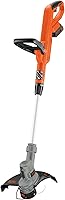
What Is a Brushless Line Trimmer, and Is It Worth It?
A brushless line trimmer uses an electronic controller instead of carbon brushes to run its motor. It can offer efficient power use and less brush wear, but value depends on the tool's features, battery system, and the work you need to do.
On this page (6 sections)
A brushless line trimmer uses an electronically controlled motor without carbon brushes. The design can reduce brush wear and use battery power efficiently, but whether it's worth choosing depends on your yard, how often you trim, and the battery platform you already own.
Brushless describes the motor, not the whole tool. Battery size, cutting width, line feed, speed controls, and handling all affect how a trimmer fits your work.
What is a brushless line trimmer motor?
A brushless line trimmer uses electronic controls to manage the motor, instead of carbon brushes that make contact as the motor runs. Removing those brushes avoids that part wearing down, while the controller adjusts how power reaches the motor.
Brushless motors are common in cordless outdoor tools because efficient power use can help a battery go further. That doesn't guarantee a specific runtime: the battery, grass, line, speed setting, and trimming technique all matter.
Brushless also doesn't mean maintenance-free. You'll still need to manage line, clear grass from the head, inspect the guard, and care for the battery according to the manual.
Is a brushless string trimmer worth it?
It can be worth it if you trim often, want a cordless tool, or prefer a motor without carbon brushes. For occasional light edging, a less expensive brushed trimmer may be enough if it handles your grass and fits your budget.
Think about the whole setup, not just the motor label. A brushless tool may cost more, and a tool-only model needs a compatible battery and charger if you don't already have them.
For help weighing motor type alongside power, weight, and line, see our string trimmer buying guide. If you're deciding between battery platforms, compare 40V and 20V trimmers as part of the same choice.
What should you compare besides the motor?
A brushless motor alone doesn't tell you how well a trimmer fits your yard. Compare these details before choosing:
- Battery and charger: Check whether they're included and whether the battery works with tools you already own.
- Cutting width: A wider swath can cover more area per pass, while a narrower one can suit tighter spaces.
- Line feed: Bump feed, push button feed, and other systems release line in different ways.
- Speed controls: Multiple speeds or a variable-speed trigger can help you balance cutting power and runtime.
- Weight and balance: Consider how long you'll hold the tool and whether its handle can adjust to your stance.
- Storage: A folding shaft or wall hook may help if space is tight.
The string trimmer gas versus battery guide can help if you're also choosing a power source. For yard-specific basics, read how to choose a weed eater.
Which brushless line trimmer features fit different needs?
These brushless models illustrate different choices around battery kits, cutting width, and storage.
Is the SKIL PWR CORE 40 kit a good fit for cordless trimming?
The SKIL kit suits someone who wants a brushless 40V trimmer with the battery and charger included. It comes with a 2.0Ah battery, 60W charger, 14-inch cutting swath, dual-line bump feed, two speed settings, and an adjustable auxiliary handle.
Its Twist Load head is designed to load line by inserting it and twisting. Consider it if you want a kit and this battery platform suits your other tools.
What does the CRAFTSMAN V20 RP kit offer?
The CRAFTSMAN kit combines a brushless motor with a 5.0Ah battery and charger. Its adjustable swath ranges from 11 to 13 inches, and its push button feed is designed to help control line advancement.
The tool is part of the CRAFTSMAN V20 battery platform. Its compact design and integrated VERSATRACK hook may suit you if storage and platform compatibility matter.
When might the Milwaukee M18 brushless trimmer suit you?
The Milwaukee M18 is a tool-only option with a 16-inch cutting swath and bump line advance. It works with the M18 system and supports .080-inch and .095-inch trimmer line.
The battery is sold separately, so factor that in if you don't own one. Milwaukee states the motor can reach up to 6,200 RPM; that figure doesn't guarantee a particular runtime or result in your yard.
Is the folding DeWalt brushless trimmer worth considering?
The DeWalt DCST922B pairs a brushless motor with a folding hinge for compact storage and transport. It has a 14-inch swath, variable-speed trigger, Hi/Lo speed control, and QuickLoad spool for replacing .080-inch line.
It's sold as a bare tool, so you'll need a compatible 20V MAX battery and charger. The folding design may help if a full-length trimmer is awkward to store.
Does brushless mean more runtime or cutting power?
Not by itself. A brushless motor can use power efficiently, but runtime depends on the battery and workload, while cutting performance also depends on the tool's design and the line you use.
For example, the CRAFTSMAN kit includes a 5.0Ah battery and claims up to 75 minutes of runtime. Treat that as a maker's stated figure, not a promise for every yard or trimming task.
Speed controls can help you adjust output. A lower setting may save battery for light trimming, while dense grass may require more power and use energy faster.
How do you choose between brushless trimmers?
Start with the battery system and the kind of trimming you do most. Then compare cutting width, feed style, weight, storage, and whether the kit includes a battery and charger.
Choose the SKIL if you want an included 40V battery kit and a 14-inch swath. Consider CRAFTSMAN if its V20 platform, 5.0Ah kit battery, and adjustable swath match your needs.
The Milwaukee is a 16-inch option for someone already set up with M18 batteries. The DeWalt's folding hinge may matter more if compact storage is a priority.
A brushless motor can be a useful feature, especially for frequent cordless work, but it isn't a reason by itself to replace a trimmer that already meets your needs. Match the complete tool to your yard and battery setup.
Frequently asked questions
What does brushless mean on a line trimmer?
Brushless means the motor uses electronic controls instead of carbon brushes to switch current through its windings. That design avoids brush wear and can use battery power efficiently, though real runtime and cutting ability still depend on the tool, battery, line, and grass.
Is a brushless string trimmer better than a brushed one?
A brushless trimmer may suit frequent work because its motor has no carbon brushes to wear out and can manage battery power efficiently. A brushed model may cost less and handle light trimming well, so compare the whole tool, battery cost, and your yard before choosing.
Does a brushless trimmer need a special battery?
It needs a battery made for its voltage and tool platform, but brushless motors do not require a special battery type by themselves. Check compatibility with the exact trimmer, and remember that some models are sold without a battery or charger.
Are all cordless line trimmers brushless?
No. Cordless trimmers can use brushed or brushless motors.
The motor type should be stated in the model's product details or manual.
Look for the word brushless in the name or specifications, then compare battery, line feed, cutting width, and weight.