String Trimmer Gas vs Battery: Pros and Cons (October 2026)
Choose battery for routine lawn trimming and less engine upkeep; choose gas for longer jobs or dense growth. Your yard size, charging access and tolerance for fuel mixing matter more than the power source alone.
On this page (10 sections)
- String trimmer gas vs battery: which should you choose?
- How do gas and battery trimmers compare?
- Which type is easier to start and maintain?
- Which works better for tall grass and heavy weeds?
- When is a battery string trimmer the better fit?
- When does a gas string trimmer make more sense?
- Does voltage decide between battery and gas?
- Which trimmer type costs less to own?
- How to choose between gas and battery
- Which is better for your yard?
Choose a battery string trimmer for routine lawn work and simpler upkeep; choose gas for longer sessions or dense growth. In a string trimmer gas vs battery comparison, your yard size, charging access and tolerance for engine care are the main deciding points.
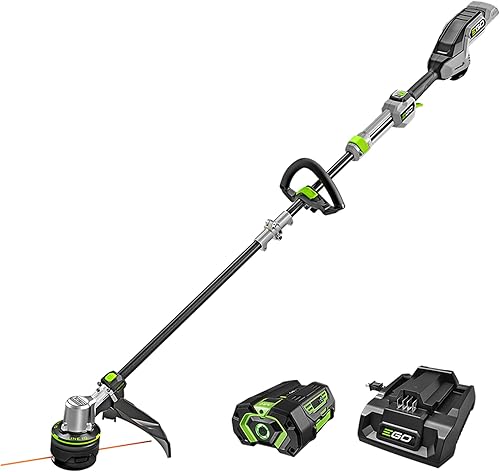
The EGO Power+ ST1623T is a battery model with an included 4.0Ah battery and charger. Husqvarna's 122LK and Wild Badger's 52cc kit use 2-cycle gas engines, but they serve different kinds of trimming jobs.
 Best for occasional gas trimming
Husqvarna 122LK 17-Inch Straight Shaft Gas Trimmer
String trimmer gas vs battery: which should you choose?
Battery suits short, regular trimming where a charged battery can cover the work; gas suits jobs where you want to continue without charging. Neither type is automatically better for every yard.
A battery model starts with a charged pack and doesn't require handling fuel. Its work time is limited by the charge, and runtime can change with speed and cutting conditions.
Gas gives you a different routine: fuel preparation, engine starting and maintenance. It may be a better fit when a large or overgrown area makes stopping to recharge inconvenient.
If most of your work is edging a lawn and trimming around beds, start with a battery model. If you clear dense weeds or tackle a larger area less often, consider gas and check the tool's weight and attachments.
How do gas and battery trimmers compare?
Battery trimmers reduce fuel and engine tasks; gas trimmers avoid waiting on a battery charge. Compare the whole work routine, including handling and cleanup.
| Factor | Battery | Gas |
|---|---|---|
| Before trimming | Charge the battery and load line | Prepare fuel as required and start the engine |
| Work time | Limited by battery charge | Continue while fuel is available |
| Routine care | Charge, clean and replace line | Maintain engine and fuel system, plus line |
| Handling | Depends on tool and battery weight | Depends on engine, shaft and fuel load |
| Best fit | Regular lawn edges and shorter sessions | Longer jobs, dense growth or brush-capable tools |
These are broad differences, not a promise that every battery or gas model behaves the same way. Check the exact manual for fuel, charging, maintenance and storage directions.
Which type is easier to start and maintain?
Battery is the simpler starting routine: insert a charged battery and begin. A gas engine adds startup and fuel steps, though starting systems vary by model.
The EGO ST1623T comes with a battery and charger. EGO rates its runtime at up to 60 minutes on that battery and says it takes 55 minutes to charge with the included charger.
The Husqvarna 122LK uses a SmartStart system designed to help it start with minimum effort. It's still a gas trimmer, so you'll need to follow its instructions for fuel and engine care.
What upkeep does a gas string trimmer need?
Gas models need attention to fuel and engine care as well as the usual line replacement and cleaning. The right fuel and maintenance schedule depend on the model, so follow its manual rather than guessing.
Plan storage carefully if you use a gas trimmer only a few times each season. Check the manufacturer's directions for fuel handling and any steps to take before putting the tool away.
Battery models also need care. Keep batteries charged and stored as the manufacturer directs, and clean grass from the trimmer after use.
For help planning charging between sessions, read our guide to how long a weed eater battery takes to charge.
Which works better for tall grass and heavy weeds?
Gas can be a better fit when the work calls for a larger engine or a brush-cutter attachment. For ordinary grass and lawn edges, a battery trimmer may be enough.
The Husqvarna 122LK has a 22cc 2-cycle engine and a straight shaft designed to reach beneath bushes and obstacles. It also works with compatible attachments, which may suit homeowners who want to switch tools.
The Wild Badger kit has a 52cc engine, an 18-inch string-trimmer swath and a 10-inch brush-cutter blade. Its shoulder strap helps with handling, but its 24.2 lb weight is a real consideration for longer sessions.
Don't assume a gas trimmer is required just because weeds are tall. Cut in manageable passes, use suitable line and keep the head clear of objects that could become projectiles.
If brush or thick weeds are a regular problem, compare purpose-built options in our guide to weed wackers for heavy brush. For tall grass that still suits a trimmer, see how to cut tall grass and weeds.
When is a battery string trimmer the better fit?
Choose battery when your trimming is routine, the area is manageable and charging fits your schedule. It also avoids fuel handling and engine startup.
The EGO ST1623T has a telescopic carbon fiber shaft that adjusts to your height, a digital variable speed selector and automatic line-feeding features. Those features address everyday setup and trimming tasks without changing the fact that runtime depends on its battery charge.
Battery choice also depends on the platform you already own. EGO says this trimmer works with its 56V ARC Lithium batteries, and the included battery works with EGO power tools.
If you want a broader look at cordless choices for home lawns, browse our best cordless weed eaters. For motor design, our guide explains what a brushless line trimmer is.
When does a gas string trimmer make more sense?
Choose gas when you have long sessions, dense growth or a need for compatible attachments. Think about the extra engine care and handling before you decide.
The Husqvarna 122LK is designed for occasional homeowner use and accepts a range of compatible attachments. Its straight shaft can reach under bushes, which can be useful in a yard with shrubs and obstacles.
The Wild Badger kit is aimed at demanding clearing jobs, with both a string-trimmer head and a brush-cutter blade. Its 52cc engine and 24.2 lb weight make it a more substantial option than a basic trimmer.
Gas isn't automatically the right answer for a big lawn. Consider how often you trim, where you can store fuel and whether the tool's weight will remain comfortable through the whole job.
Does voltage decide between battery and gas?
Voltage helps compare battery models, but it doesn't make a direct gas-versus-battery verdict. Look at the complete tool, battery capacity, motor and intended work.
A higher-voltage platform can be designed for more demanding tools, but voltage alone doesn't tell you runtime or cutting results. Compare the included battery and the manufacturer's runtime guidance for the exact model.
If you're choosing between two cordless trimmers, our guide to 40V vs 20V trimmers explains what voltage can and can't tell you. Also consider whether the batteries work with tools you already use.
Which trimmer type costs less to own?
The lower-cost choice depends on how often you trim and what you already own. Count fuel or battery costs, maintenance and any compatible tools you may need.
A battery model with a battery and charger included has a complete starting setup. If you already own compatible batteries, another tool may reduce what you need to buy, but check the exact platform and battery fit.
Gas models may need fuel and engine maintenance over time. They can make sense if you use the tool for work that a lighter lawn trimmer can't handle, such as brush cutting with a compatible attachment.
Compare the full cost of the setup you need rather than the tool alone. Don't pay for an attachment-capable gas powerhead if you won't use attachments, and don't buy extra batteries before estimating your yard's real runtime needs.
How to choose between gas and battery
Pick the power source that matches your longest typical job, not your most demanding imagined one. A small lawn and weekly touch-ups rarely need the same tool as dense overgrowth.
Before buying, consider:
- Yard size: Estimate how long you actually trim, including edges and obstacles.
- Growth: Separate normal grass from woody weeds and brush.
- Charging: Check whether you can charge between sessions or own compatible batteries.
- Handling: Account for tool weight, shaft design and how long you'll hold it.
- Upkeep: Decide whether fuel and engine maintenance fit your routine.
- Attachments: Choose a compatible system only if you'll use the added tools.
For more on choosing line, see our guide to string trimmer line size. The right line helps you match the tool to the grass without expecting the motor alone to solve every cutting problem.
Which is better for your yard?
Choose the EGO battery trimmer for routine lawn edges and a ready-to-charge setup; choose the Husqvarna for occasional gas trimming beneath shrubs; choose the Wild Badger for dense growth and brush work. Match the weight and upkeep to the jobs you do most.
If you are still comparing cordless types, start with our cordless weed eater guide. For general power, weight and line choices, use the string trimmer buying guide.
Frequently asked questions
Is a gas or battery string trimmer better?
A battery string trimmer is usually the simpler fit for regular lawn edges and shorter sessions because it avoids fuel handling and engine startup. Gas can suit longer jobs or dense growth when you want to keep working without waiting for a battery charge.
Match the choice to your yard and work pace.
Can a battery trimmer handle tall weeds?
Some battery trimmers can cut tall weeds, but the tool, line and growth all matter. Work in controlled passes and avoid forcing the head through thick stems.
For dense brush, use a tool designed for that work, such as a gas trimmer with a brush-cutter attachment, and follow its manual.
How long can a battery string trimmer run?
Runtime depends on the battery, speed setting, line and cutting conditions. The EGO ST1623T is rated for up to 60 minutes with its included 4.0Ah battery, but actual work time can vary.
Plan a pause or spare compatible battery if your yard takes longer than one charge.
Do gas trimmers need more maintenance?
Gas trimmers have an engine and fuel system that need care, while battery models mainly require charging, line replacement and basic cleaning. The exact service steps vary by model, so use its manual for fuel, storage and maintenance instructions.
Consider those tasks when comparing the full routine, not just cutting power.
Does a higher voltage battery trimmer have more power?
Voltage alone doesn't tell you how a trimmer will perform across different designs. Compare the exact tool's motor, cutting width, line and battery platform, then match those details to your grass and weeds.
See our guide to 40V vs 20V trimmers for a closer look at voltage choices.