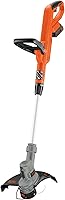
How to Use an Electric Weed Eater
To use an electric weed eater, fit the guard and spool, charge the battery, then sweep the head into the weeds at a steady walking pace. Keep the cutting head level and a few inches above the soil, and trim toward the area you have already cut.
On this page (9 sections)
- How do you set up an electric weed eater before the first cut?
- How do you load the line and keep it feeding?
- How do you hold and move an electric weed eater?
- How do you trim along fences, walls and beds?
- How do you edge a lawn with a 2-in-1 trimmer?
- What cutting technique gives the cleanest finish?
- How do you manage line wear and replace a spool?
- How do you stay safe and clean up after trimming?
- Which trimmer suits your yard?
To use an electric weed eater, fit the guard and spool, charge the battery, then sweep the head into the weeds at a steady walking pace. Keep the cutting head level and a few inches above the soil, and trim toward the area you have already cut.
The tool does most of the work once the setup is right. This guide walks through charging, loading line, holding the trimmer, cutting edges and cleaning up, so the first session on your lawn goes smoothly.
How do you set up an electric weed eater before the first cut?
Fit the guard and spool, attach the battery, then stand the trimmer at your working height. Setup takes a few minutes and prevents most early problems with line feed and control.
Slide the safety guard onto the shaft and tighten it. The guard keeps the spinning line from throwing debris at your legs, so never run the trimmer without it.
Check the spool cap is seated and the line sits in the eyelet. Charge the battery fully before the first use, since a partly charged pack can cut out in tall grass.
Adjust the handle and shaft so the head rests just above the ground when you stand upright. A trimmer that hangs too low forces you to stoop and makes flat cutting hard.
How do you load the line and keep it feeding?
Wind the spool as the maker describes, then bump or press the feed until the line reaches the guard. The exact step depends on the head, so match the method to your trimmer.
On a bump feed, tap the head on the ground while the motor runs to let out more line. On a push button feed, press the button on the head and pull the line out by hand.
Keep the line about as long as the guard's cutting width. Too much line slows the motor and can snap the ends; too little leaves the head cutting unevenly.
When the ends get ragged, stop, pull out fresh line and restart. Trimming with worn line is the quickest way to end up with a scruffy edge.
How do you hold and move an electric weed eater?
Hold the trimmer with both hands and sweep the head from side to side as you walk forward. Let the line do the cutting rather than pushing the head into the grass.
Stand with your feet apart and the head a few inches off the ground. Move in a smooth arc and overlap each pass slightly, so no strip of grass gets missed.
Trim toward the area you have already cut, not into the long grass ahead. Walking backward or swinging the head toward yourself throws clippings and grit at your legs.
Keep the motor at full speed in heavy weeds. Slowing down packs the head with clippings and leaves a torn finish.
Who should pick the WORX WG163 for trimming and edging?
The WORX WG163 suits a yard that needs both trimming and crisp edges from one tool. It converts from a string trimmer to an edger in seconds, so you don't buy a separate edger.
The head tilts 90 degrees for sloped ground and awkward spots, and the rubberized wheels guide straighter edge lines. It weighs 5.5 lb, so long sessions stay comfortable.
Two 20V batteries come in the box, and the Power Share system lets you swap them into other WORX 20V and 40V tools. The Command Feed button releases line without bumping the head.
How do you trim along fences, walls and beds?
Turn the head sideways so the line cuts vertically along the edge, and ease it past the obstacle. The line should brush the weeds, not grind against the fence or wall.
Run the trimmer parallel to the fence at a steady walk. Stop and clear the guard if clippings build up, since a clogged head stops feeding line.
Around trees and posts, work in short passes from different angles. Ramming the head into bark or brick snaps line and can damage the trimmer.
The adjustable spacer guard on the WORX WG163 protects flowers and lawn ornaments. Set it so the line clears the plants you want to keep.
How do you edge a lawn with a 2-in-1 trimmer?
Flip the head to the edging position, rest the wheels on the sidewalk and walk the line along the border. The wheels keep the cut straight and stop the trimmer dipping into the soil.
Hold the tool at a comfortable angle and let the wheels carry it. Feed line as the ends wear so the edge stays sharp and even.
Edge after trimming, when the borders are already clear. That way the clippings you lift land where the mower or blower can collect them.
Who should pick the BLACK+DECKER LST300 for simple trim and edge work?
The BLACK+DECKER LST300 suits a small to medium lawn where you want trim and edge from one cordless tool. It switches from trimmer to edger in seconds and runs quietly compared with a gas trimmer.
The Automatic Feed Spool feeds line as needed, so there's no bumping the head. The adjustable handle and height positions help you find a comfortable grip.
It weighs 5.7 lb and has a 12 in cutting swath for trimming beds and borders. A 2.0 Ah lithium-ion battery and a wall-mountable charging base come in the box.
The 6200 rpm POWERDRIVE transmission puts more power at the string for tough overgrowth. Clear the guard in long wet grass, as with any string trimmer.
What cutting technique gives the cleanest finish?
Cut at a consistent height with the head level, and take two light passes over rough patches. One heavy pass tears grass and leaves a ragged lawn.
Hold the head so the line meets the grass at the top of the blade path. Tipping it toward the soil scalps the turf and wears line quickly.
On long grass, cut the top third first and then go back to the final height. This keeps the motor from bogging down and gives a cleaner finish.
Change direction on each pass so clippings spread evenly. Keep a steady walking speed and let the head do the work.
How do you manage line wear and replace a spool?
Check the line before each session and replace it when it wears near the eyelet. Fresh line cuts faster and puts less strain on the motor.
Keep a spare spool on hand so a broken line doesn't end the job. Wind new line evenly and keep it snug, not crossed or kinked.
Who should buy the EGO twisted line?
The EGO Power+ twisted line suits anyone running an EGO 15 in string trimmer or the multi-head trimmer attachment. The professional-grade twisted design holds up to tough weeds and gives a clean, level cut.
Each pack holds 14 ft of 0.095 in line, and the 5-pack covers several changes over a season. It's pre-cut, so there's no measuring or winding from a bulk reel.
It fits EGO string trimmer heads built for 0.095 in line. Check your head's line size before buying, since a thicker line won't feed through a smaller eyelet.
How do you stay safe and clean up after trimming?
Wear safety glasses and long pants, keep people and pets back, and clear the yard when you finish. Safety comes down to a few habits repeated every session.
Read the safety instructions before the first use. Keep the battery dry and remove it before changing the spool or clearing a jam.
Never reach into the cutting head while the motor runs. Switch off, wait for the head to stop, then clear clippings or tangled line.
When you're done, knock clippings off the guard and wipe the shaft. Store the battery indoors and the trimmer where it stays dry; our guide to how to store a weed eater in the garage covers the details.
Blow or rake the clippings off paths and driveways so the finish looks tidy. Check the line and spool before putting the trimmer away so the next session starts ready.
Which trimmer suits your yard?
Pick a 2-in-1 model if your borders need both trimming and edging, and pick a straight trimmer if you mostly cut around beds and fences. Either way, the technique is the same: fit the guard, keep the head level and let the line cut.
For most home lawns the WORX WG163 is the easiest place to start, because the trimmer-to-edger switch and the two included batteries cover both jobs. The BLACK+DECKER LST300 is the simpler pick if you want automatic line feed and a lighter routine.
If you're still deciding what to buy, our guide to how to choose a weed eater walks through battery, weight and cutting width. Shoppers comparing cordless models can start with the best cordless weed eater picks.
Once you've learned the basics of how to use a electric weed eater, the rest is repetition. For more cutting and edging technique, read how to properly use a weed eater before your next session.
Frequently asked questions
Can you use an electric weed eater on wet grass?
It's better to wait for the lawn to dry, because wet clippings clog the guard and the head throws mud onto the tool. If you trim damp edges anyway, walk slower and clear the guard often so the line keeps feeding.
How high should you hold a string trimmer?
Hold the head so the line cuts at or just below the height you want the grass to finish, and keep the spool a few inches off the ground. Tipping the head toward the soil scalps the lawn and wears the line down fast.
Do you need eye protection with an electric weed eater?
Yes. Wear safety glasses and long pants every time, because the line throws small stones and cut grass at speed.
Keep people and pets well back from the trimming path until the tool is switched off.
How do you stop the line from breaking so often?
Feed the line out before it wears down to the eyelet, and avoid ramming the head into fence posts or brick. A thicker line suits rough weeds, while a thin line cuts cleaner grass and lasts longer on light edges.
Should you trim or edge first?
Trim the flat areas first and edge the borders last, so the clippings you knock loose land where the mower or blower can reach them. One pass over the whole yard beats going back and forth between jobs.