How to Properly Use a Weed Eater
To use a weed eater properly, fit the guard and spool, hold the trimmer at a slight tilt with the cutting head away from you, and sweep the line into the grass tips rather than into the base of the stems. Move in short passes, keep the line at full length, and stop the motor before clearing a jam.
On this page (8 sections)
- What should you check before you start the weed eater?
- How do you hold a weed eater for a clean cut?
- Which way should you sweep the trimmer to avoid damage?
- How do you edge a lawn with a string trimmer?
- What's the right way to feed line and avoid breakage?
- How do you trim around trees, fences and flower beds?
- How should you finish the job and keep the trimmer in good shape?
- Which trimmer setup suits a home lawn?
To use a weed eater properly, fit the guard and spool, hold the trimmer at a slight tilt with the cutting head away from you, and sweep the line into the grass tips rather than into the base of the stems. Move in short passes, keep the line at full length, and stop the motor before clearing a jam.
That order matters more than any single trick. A trimmer set up and held the right way does the cutting work for you.
What should you check before you start the weed eater?
Check the guard, the line length, the head angle and your safety gear before you pull the trigger. A quick walk round the machine catches most problems that cause ragged cuts or snapped line later on.
Fit the guard if it isn't already fitted, because it sets the line at the right length and keeps clippings off you. Pull the line out to the cutting edge of the guard or to the length the maker states for that head.
A spool that's wound too tight won't feed, and one wound too loose throws loops.
Set the loop handle or D-handle so the trimmer hangs level when your arm is relaxed. Then put on safety glasses or a face shield, long trousers and closed shoes.
Clear toys, hoses and stones from the area, and keep children and pets indoors until you finish.
If the machine has sat in the garage since last season, give it a once-over for fuel, battery charge and a cracked guard. Our guide to how to store a weed eater in the garage covers the checks that keep a trimmer ready between jobs.
How do you hold a weed eater for a clean cut?
Hold the trimmer with both hands, keep the head tilted a few degrees toward the grass and stand so the cutting head is ahead of and away from your feet. The tilt lets the tips of the line do the cutting while the rest clears the clippings.
Don't rest the head flat on the ground and push. That digs the line into the soil, dulls it fast and leaves a torn edge on the grass.
A light tilt keeps only the outer few inches of line in contact with the stems.
Stand with your feet apart and your weight balanced, with the trimmer hanging from the handle rather than held out at arm's length. A cordless unit like the WORX WG163 weighs about 5.5 lb, so a relaxed grip keeps fatigue down on a long border.
Move your whole body to steer the cut instead of twisting your arms or back.
Keep the cutting head below waist height and never lift it to trim hedges or reach into a bush. And keep the head and line away from your shins and your toes as you swing.
Which way should you sweep the trimmer to avoid damage?
Sweep the line from left to right when the head spins clockwise, so the cut throws clippings away from you and into the lawn. Always cut away from beds, walls, fences and your own body.
Start each pass with the head a few inches above the grass and lower it into the tips. The line should bite into the top of the stems, not into the base.
Trimming at the base splinters the grass and leaves a brown, ragged edge within a day.
Work along the edge in short, steady passes rather than one long sweep. Overlap each pass by about half the cutting width, so you don't miss tufts or leave a strip of taller grass between runs.
Slow down near trees, posts, drainpipes and garden ornaments. The adjustable spacer guard on a 2-in-1 trimmer like the WORX WG163 helps here, because you set it to keep the line off the tops of flowers and low plants.
How do you edge a lawn with a string trimmer?
Flip the head to its edging position, rest the machine on its wheels and walk slowly along the line where the lawn meets the walk or drive. A 2-in-1 trimmer makes this a quick change rather than a separate tool purchase.
On a model with a 90 degree tilting head, rotate the head so the line cuts straight down, then lower it to the edge line. The rubberized wheels on an edger setup support the head and guide it in a straighter line than a freehand pass.
Lean the machine on the wheels and let the wheels set the depth.
Walk at a steady pace, keep the line vertical and let it shave the grass that spills over the paving. Two lighter passes along the same line look cleaner than one deep, fast pass.
When the edging is done, rotate the head back to the trimming position. For help picking between a 2-in-1 and a dedicated edger, read how to choose a weed eater.
What's the right way to feed line and avoid breakage?
Feed fresh line as soon as the ends wear down to a stub, and let the head spin at full speed for a second or two so the line trims itself to length. A full line cuts cleaner and drags the motor less than a short, worn one.
On a bump-feed head, tap the spool on the ground while the motor runs. On a button feed system, press the feed button and the spool releases line.
The WORX WG163 uses a push button command feed spool, so you press for line rather than bumping the head.
Don't overfill the spool. Wind the line neatly in the groove and leave the length the maker states for the head.
Line that's wound crosswise or packed too tight feeds in loops or jams.
Snapped line usually means too much line is out, or the line is hitting a hard edge at full speed. Trim the ends even and slow down near walls and posts.
Keep the line dry and out of the sun between jobs, because brittle line breaks sooner. If your trimmer runs on gas, the mix you use matters too, and what type of gas does a weed eater use explains the ratio.
How do you trim around trees, fences and flower beds?
Slow the sweep and angle the head so the line clears the trunk or post rather than wrapping it. Keep the line on the grass and move round the obstacle in short steps.
Trim around a tree trunk in a circle, cutting the grass next to the bark without touching it. Bark damage from repeated line strikes is slow to heal, so leave a small ring of grass if you have to.
For fences, run the head parallel to the panels and let the line brush the base without dragging along the wood.
Around flower beds and shrubs, lower the head only as far as the edge of the bed. A spacer guard keeps the line away from stems and blooms.
Cut the border from the lawn side and step back now and then to check the line is straight.
Do the delicate work at part throttle or in a slower speed if your trimmer has one. A full-speed pass near thin stems knocks petals and leaves off, while a controlled sweep leaves the plants intact.
How should you finish the job and keep the trimmer in good shape?
Sweep or blow the clippings off the paving, then stop the motor and clear any line or grass wrapped round the spool before you put the trimmer away. A few minutes of cleanup keeps the next session smooth.
Blow or rake the cut grass back onto the lawn or into a bag. Grass left on a walk or drive stains the surface and washes into drains.
If you edged, sweep the paving towards the lawn so the clippings feed the grass.
Switch off and let the head stop fully before you touch the spool or guard. Pull out any wrapped grass and check the line length.
A cordless trimmer goes back on the charger so it's ready next time, while a gas trimmer needs its fuel handled as the maker says.
Store the machine off the floor in a dry spot, with the head off the ground so the line doesn't kink. That routine, plus the checks in our storage guide, keeps the head spinning freely and the line feeding when you next need it.
Which trimmer setup suits a home lawn?
A 2-in-1 cordless trimmer with a button feed spool and a tilting head covers trimming and edging for most home lawns. If you already own a trimmer, the right line and a good routine matter more than a new machine.
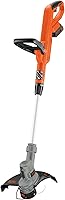
A cordless 2-in-1 like the WORX WG163 suits a yard with a mix of borders, beds and a walk or drive to edge. It has a 12 in cutting width, a head that tilts 90 degrees and two 20V batteries that fit the rest of the WORX Power Share range.
If your yard is bigger or you want a lighter machine for quick passes, compare the options in our guide to the best cordless weed eaters.
Line is the part you'll replace most, so match the diameter to the head. The EGO Power+ twisted line in 0.095 in comes as five pre-cut lengths for EGO trimmers and the multi-head attachment.
For a head that takes 0.080 in line, the DEWALT roll gives 225 ft on one spool, which covers a full season for most home lawns.
The skill is in the setup and the sweep. Fit the guard, hold the trimmer at a tilt, cut the grass tips and keep the line full.
Do that and how to properly use a weed eater becomes routine, with straighter edges and less cleanup after every pass.
Frequently asked questions
Which way should the trimmer head turn when you cut?
Most string trimmers cut clockwise when viewed from above. Sweep from left to right so the line bites into the grass tips and throws clippings away from you.
If yours spins the other way, mirror the sweep so you still cut away from your body and any beds.
How long should the trimmer line be?
The line should reach the edge of the guard, or whatever length the maker states for that head. Too much line drags the motor down and can snap the ends, while too little leaves the stems uncut.
Bump or press the feed button as the line wears short.
Should you wear eye protection when trimming?
Yes. A face shield or safety glasses and closed shoes are the basics.
A trimmer throws small stones, sticks and cut grass at speed, so protect your eyes, shins and feet, and keep other people and pets well back until the motor stops.
What causes a trimmer to leave ragged grass ends?
A dull line, a tilted head or cutting too low into the stem is the usual cause. Cutting into the base of the stems splinters the grass, while a fresh line and a sweep at the tips gives a cleaner edge.
Feed new line before it wears down to a stub.