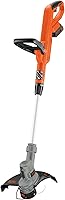
How Much Does a Weed Eater Cost?
A cordless weed eater usually costs about 60 dollars to 250 dollars. Battery-powered string trimmers with a battery and charger in the box land near the middle of that band, while gas models cost more up front and keep costing you in fuel and upkeep.
On this page (9 sections)
- How much does a weed eater cost by type?
- What does a cordless weed eater cost?
- What does a 2-in-1 trimmer and edger cost?
- How much does a gas weed eater cost?
- What changes the price of a weed eater?
- How much should you budget for line and upkeep?
- Is a cheap weed eater enough for your yard?
- How much does a weed eater cost over its life?
- So, how much does a weed eater cost?
A cordless weed eater usually costs about 60 dollars to 250 dollars. Battery-powered string trimmers with a battery and charger in the box land near the middle of that band, while gas models cost more up front and keep costing you in fuel and upkeep.
That price range covers the tools most homeowners actually buy. The number moves with battery voltage, cutting width and whether the tool also edges.
Here's what each part of the cost buys you.
How much does a weed eater cost by type?
Corded electric trimmers sit at the low end, cordless battery models in the middle, and gas trimmers at the top. Each type trades a different cost against convenience.
A corded trimmer is the cheapest way to cut grass, but it needs an outlet and a long extension cord. Cordless battery models free you from the cord, and you pay for that freedom in the kit price.
Gas trimmers cost the most to buy and to run, but they don't depend on a battery.
The gap between cordless and gas narrows over time. A gas trimmer needs fuel, oil and a tune-up each season.
A battery trimmer needs nothing but electricity and the odd spool of line.
What does a cordless weed eater cost?
A cordless string trimmer kit costs about 60 dollars to 250 dollars. The low end covers a 20V trimmer with one battery and a 12-inch cut.
The top of the range buys a 40V tool with two batteries and a wider cutting head.
Voltage is the biggest price lever. A 20V model is lighter and cheaper, and it handles light growth on a small lawn.
A 40V model costs more but gives you more cutting power and longer run time per charge. Many brands also sell bare tools, which cost less if you already own batteries from the same family.
The WORX WG163 shows what a mid-range cordless kit looks like. It's a 2-in-1 trimmer and edger with two 20V batteries, a charger, a 12-inch cutting diameter and a 5.5 lb body.
The head tilts 90 degrees for sloped ground, and the rubberized wheels guide straight edging lines. Its spacer guard adjusts so you don't clip flowers or lawn ornaments.
WORX also runs a Power Share battery family, so the same packs fit other WORX 20V and 40V tools.
What does a 2-in-1 trimmer and edger cost?
A 2-in-1 cordless kit generally costs more than a trimmer-only unit. You pay extra because the head converts to an edger and the tool includes wheels or a guide.
The extra money buys one tool instead of two. That's the real saving: you skip a separate edger purchase and the storage space for a second machine.
If your yard has a sidewalk, driveway or bed edge that needs a clean line, the 2-in-1 is usually the better buy.
The BLACK+DECKER LST300 is a 2-in-1 trimmer and edger with a 12-inch cutting swath and a steel deck. It runs at 6200 rpm and weighs 5.7 lb.
One 2.0 Ah lithium-ion battery and a wall-mountable charger come in the kit.
Its automatic feed spool sends out line without bumping, and the POWERDRIVE transmission moves more power from the motor to the string. The handle and height adjust for comfort.
BLACK+DECKER backs it with a 2-year limited warranty.
If you're still weighing types, our guide on how to choose a weed eater walks through voltage, cut width and yard size before you spend.
How much does a gas weed eater cost?
A gas string trimmer costs more than a cordless kit, and the gap grows with every season. You pay for the engine, then for fuel, two-stroke oil, spark plugs and an annual service.
Gas wins on raw power and on run time with no battery to recharge. That suits large properties and heavy brush.
For a typical suburban lawn, the fuel and upkeep bill usually outweighs the extra muscle.
Gas models also need more care between uses. Fuel goes stale, carburetors need attention, and the pull start gets fussy.
A battery trimmer just needs a charged pack. If you go gas, budget for the upkeep from day one.
What changes the price of a weed eater?
Battery voltage, cutting width, battery count and extra features set the price. Two trimmers with the same cut can differ a lot once you count what's in the box.
The first lever is voltage. A 20V tool is lighter and cheaper; a 40V tool costs more and cuts tougher growth.
Cutting width matters too. A 12-inch head suits tight yards, while a 13-inch or wider head covers more ground per pass and costs more.
Battery count is the next one. A kit with two batteries costs more than a single-battery kit but keeps you working while one pack charges.
Features like a tilting head, a spacer guard, wheels for edging and an adjustable handle each add a little.
The WORX WG183 shows the 40V end of the range. It's a 13-inch cordless trimmer with two 20V 2.0 Ah batteries and a dual charger in the kit, and its dual-exit cutting head boosts cutting efficiency.
The auto-feed spool advances line without a bump, the auxiliary handle adjusts for comfort, and the frame is light for its class. It also uses the WORX Power Share family, so its batteries fit other WORX tools.
If you want the wider cut and more run time, this is where the extra money goes.
How much should you budget for line and upkeep?
Trimmer line is the small recurring cost; gas upkeep is the bigger one. Budget a few dollars a season for line on a cordless model.
Add fuel, oil and a yearly service if you run gas.
Line use depends on how much you edge against fences and walls. A spool lasts a season or more for most lawns.
Cordless models with automatic feed waste less line than bump-feed heads because the line advances only when needed.
Gas adds up faster. Fuel and two-stroke oil, a spark plug now and then, and an annual tune-up all count.
None of these is huge alone, but over several seasons they close the gap with a cordless kit.
Battery cost is the other long-term item. Packs lose capacity over years.
If you stay within one brand's battery family, you can spread that cost across several tools. That's why our roundup of the best cordless weed eaters groups picks by battery system.
Is a cheap weed eater enough for your yard?
For a small lawn with light growth, a budget cordless trimmer is enough. Spend more only when your yard asks for it.
Match the tool to the job. A quarter-acre lawn with a few edges is fine with a 20V trimmer and a 12-inch cut.
A half-acre or a yard full of thick weeds calls for 40V and a wider head. Long property lines and heavy brush push you toward gas or a premium cordless model.
Check what's in the box before you compare prices. A kit with two batteries and a charger costs more than a bare tool, but it's the honest number for a first-time buyer.
If you already own batteries, a bare tool can save you real money.
How much does a weed eater cost over its life?
The purchase price is only part of the bill. A cordless trimmer's running cost is electricity and line.
A gas trimmer's is fuel, oil and service.
Over several seasons, the cordless tool often ends up cheaper to own.
How you store the tool affects how long it lasts, and our guide on how to store a weed eater in the garage covers the basics that keep a battery pack and motor healthy.
For a fuller picture of how many seasons to expect, see how long does a weed eater last.
A cheap tool that dies in two seasons costs more than a mid-range one that runs for six. Buy within your budget, but don't buy below the job.
So, how much does a weed eater cost?
Plan on about 60 dollars to 250 dollars for a cordless weed eater, with 2-in-1 trimmer and edger kits near the middle. That price includes the battery and charger on most kits, which is what a first-time buyer needs.
Pick a 20V kit if your lawn is small and the growth is light. Step up to a 40V model with a wider cut if you have a bigger yard or tougher weeds.
Add a small yearly budget for line, and for fuel and service if you choose gas.
Start with the WORX WG163 if you want one tool for trimming and edging with two batteries in the box. Choose the BLACK+DECKER LST300 for a steel deck and a single battery.
Go with the WORX WG183 when the wider 13-inch cut and 40V power fit your yard.
Frequently asked questions
How much does a weed eater cost for a small yard?
Expect about 60 dollars to 120 dollars for a cordless trimmer sized for a small lawn. At that level you get a 20V or 40V battery unit with a 12 to 13 inch cut, a battery and a charger in the box, enough for routine edge work.
Is a battery weed eater cheaper than a gas one?
The first bill is lower for battery models in most cases. A gas trimmer costs more up front, then adds fuel, oil, spark plugs and a yearly tune-up, so the gap narrows over several seasons of use.
Do batteries and chargers add to the cost?
Only when they aren't included. Many cordless kits ship with one or two batteries and a charger, so the full cost is in the kit price.
Buying a bare tool later is cheaper if you already own batteries from the same brand.
Is a more expensive weed eater worth it?
Spend more when you have a bigger yard or tough weeds. Higher prices buy a wider cut, a second battery, a stronger motor and more cutting power.
For a small lawn with light growth, a cheaper 20V model does the job.