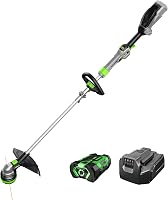
How Long Does a Weed Eater Last?
Most gas weed eaters last 8 to 12 years and cordless models last 5 to 10 years, though the battery often wears out first. Care, storage and how often you trim decide where you land in that range.
On this page (8 sections)
- How long does a weed eater last compared with other yard tools?
- What shortens a weed eater's life the most?
- How long do cordless weed eater batteries last?
- How long does a gas weed eater last with proper upkeep?
- How often you trim changes the answer
- Which trimmers are built to go the distance?
- How do you make a weed eater last longer?
- So how long should you expect your weed eater to last?
Most weed eaters last 8 to 12 years if they're gas and 5 to 10 years if they're cordless, though a battery pack often wears out first. Care, storage and how often you trim decide where your trimmer lands in that range.
Here's how long a weed eater lasts in practice, and what shortens or stretches that number.
The tool itself is rarely the weak point. Most string trimmers that die early were stored badly, run on wet grass or never had the head and vents cleaned.
A few simple habits keep one running for a decade or more.
How long does a weed eater last compared with other yard tools?
A string trimmer lasts about as long as a push mower, often 8 to 12 years for gas and 5 to 10 for cordless. The engine or motor is the durable part; the head, line and battery are what need attention.
Gas trimmers earn the longer range because a two-stroke engine can be rebuilt. New rings, a carburetor kit or a fuel line keep an older unit running for years.
Cordless models have fewer moving parts, so there's less to wear, but the battery is a wear item on a shorter clock.
A cordless trimmer's real lifespan depends on how its battery holds up. Owners often get 3 to 6 years from a pack before it holds noticeably less charge.
The trimmer body can outlive two or three batteries.
Hour meters aren't common on trimmers, so judge by use. A homeowner trimming a quarter acre every two weeks puts light hours on a tool.
A lawn crew running one daily wears a trimmer far faster.
What shortens a weed eater's life the most?
Bad storage and running wet grass do more damage than hard use. Both push moisture and grit into places the trimmer can't clear.
Four habits cut a trimmer's life short:
- Storing it outside or in a damp shed, which corrodes contacts and the shaft.
- Leaving a gas tank full of old fuel, which gums up the carburetor.
- Trimming wet grass, which overloads the motor and clogs the guard.
- Never clearing clippings from the head and air vents.
Heat is the quiet killer. A trimmer that runs with a clogged guard or blocked vents gets hotter than it should.
Over a few seasons that shortens motor and bearing life without an obvious failure.
Bumping the head on pavement to feed line also wears the spool and cap. Trimmers with a button feed avoid that wear entirely.
Our guide to how to store a weed eater in the garage covers the storage side in detail.
How long do cordless weed eater batteries last?
Expect 3 to 6 years from a lithium-ion pack, or about 300 to 500 full charge cycles. After that, runtime drops and the trimmer needs a fresh battery long before the tool wears out.
Cold weather hurts batteries more than anything else. A pack left in a freezing garage over winter loses capacity faster than one kept indoors.
Charge it partway before storage and top it up in spring.
Charge cycles matter too. A pack run from full to empty every week reaches its limit faster than one topped up after light use.
Our post on how long a weed eater battery takes to charge explains how to fit charging into your routine.
A pack that no longer holds a full charge doesn't mean the trimmer is finished. Check whether the tool takes a standard battery from the same family before you replace the whole unit.
That swap costs less and keeps a good trimmer running.
How long does a gas weed eater last with proper upkeep?
A gas trimmer reaches 8 to 12 years when you winterize it and keep the fuel fresh. The engine rewards simple maintenance with a long service life.
Fresh fuel is the single biggest factor. Gas older than about 30 days starts to break down and leaves deposits in the carburetor.
Mix only what you'll use in a month or run a fuel stabilizer.
A few tasks each season keep a gas trimmer healthy:
- Replace the spark plug and air filter as the manual directs.
- Check the fuel lines for cracks before the season starts.
- Sharpen or replace the cutting head when line breaks too often.
- Empty the tank before long storage.
Wet grass and heavy brush put more strain on a small two-stroke engine. Give it a rest between long sessions so it doesn't overheat.
A trimmer used within its limits and serviced each year will outlast a neglected one by several seasons.
How often you trim changes the answer
Light homeowner use stretches a trimmer to the top of its range, while daily use pulls it toward the bottom. The tool doesn't know the calendar; it knows the hours.
A trimmer used twice a month on a small lawn sees maybe 20 to 30 hours a year. That's light duty, and a cordless unit can run 10 years on the body with one battery replacement.
A gas unit in the same role can last 12 years or more.
Daily or commercial use flips the math. A trimmer running several hours a day wears its head, bearings and motor much faster.
Even a well-built gas unit may need a rebuild in 4 to 6 years at that pace.
Match the tool to the job. A 12-inch cordless trimmer like the WORX WG163 suits a typical home lawn.
A larger property or daily use calls for a heavier unit, and the extra build quality is what earns the longer life. Our guide to how to choose a weed eater helps you match tool to yard.
Which trimmers are built to go the distance?
The models with a shared battery family and simple heads tend to age best, because parts stay available and the battery can be replaced. Here are three that fit the long-life plan.
The WORX WG163 converts from trimmer to edger in seconds and includes two 20V Power Share batteries. Because the batteries fit every WORX 20V and 40V tool, a pack can be replaced or shared without buying a new trimmer.
The Command Feed system feeds line at the press of a button, and free spools for life mean the head stays supplied. Its 12-inch cut and 5.5 lb weight suit home lawns.
The BLACK+DECKER LST300 pairs a 12-inch cut with a 2-in-1 trim-or-edge design. Its Automatic Feed Spool feeds line without bumping, which saves wear on the spool and cap.
The 20V MAX battery is part of the Powerconnect system, so a replacement pack is easy to find. The maker backs it with a 2-year limited warranty.
The EGO Power+ twisted line comes pre-cut in a 5-pack with 14 feet of 0.095-inch line. It fits all EGO POWER+ string trimmers and the multi-head 15-inch attachment.
Fresh line cuts cleaner and loads the motor less than worn, frayed line. Keeping a spare pack on hand means you replace line before it wears down to a nub.
For a cordless model that fits a smaller yard, see our picks for the best cordless weed eater.
How do you make a weed eater last longer?
Clean it after each use, store it dry, and keep the line and battery in good shape. Those three habits cover most of what shortens a trimmer's life.
After trimming, clear clippings from the guard, head and air vents. A quick brush-out takes a minute and keeps the motor cool.
Wipe the shaft and handles so moisture doesn't sit on the surface.
Store the trimmer indoors, away from freezing temperatures and damp. Hang it or stand it upright so the line and shaft aren't bent.
For gas models, empty the tank before long storage and run the carburetor dry.
Watch the head and line. Replace line before it frays down to a stub, and swap the spool when it cracks.
A worn head wobbles and puts extra strain on the motor.
Finally, know when to replace. A trimmer that won't hold a charge, overheats quickly or needs constant repairs is past its useful life.
If the battery is the only problem, replace that first. A worn-out gas trimmer that needs a new engine usually isn't worth fixing.
So how long should you expect your weed eater to last?
Plan on 8 to 12 years for a gas trimmer and 5 to 10 for a cordless one, with a battery swap around year 4 to 6. How long a weed eater lasts comes down to storage, cleaning and how hard you run it.
Pick the tool that matches your yard. A 12-inch cordless 2-in-1 like the WORX WG163 or BLACK+DECKER LST300 suits a typical home lawn and shares batteries across a family of tools.
Keep spare line on hand so the head never runs dry. Store it dry, clear the clippings after each trim, and your trimmer should earn its full range.
Frequently asked questions
Do weed eater batteries wear out before the tool does?
Yes. A lithium-ion pack loses capacity over hundreds of charge cycles, so the trimmer can still run fine when the original battery no longer holds a full charge.
Replacing the battery is usually cheaper than buying a whole new trimmer.
Does trimming wet grass shorten a weed eater's life?
Wet grass loads the motor harder and pushes damp clippings into the guard and vents. Run the trimmer over dry grass where you can, and clear clogged clippings after each session so the motor and head stay cool.
How should I store a weed eater so it lasts longer?
Clean the head and vents, remove or charge the battery per the maker's guidance, and keep the tool in a dry spot away from freezing temperatures. Hanging it or standing it upright keeps the line and shaft out of harm's way.
Is a 2-in-1 trimmer and edger a longer-lasting choice?
It can be. A 2-in-1 shares one motor and battery across trimming and edging, so there are fewer separate tools to maintain and store.
The trade-off is that a failure in the shared parts takes out both functions at once.