Which Ryobi String Trimmer Is Best?
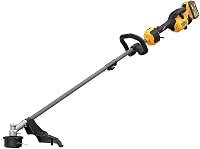
The Ryobi 40V Attachment-Capable Trimmer Kit is the best Ryobi string trimmer for most yards, because it combines gas-like 40V power with Expand-It attachment capability and includes a battery and charger. Pick the 40V Carbon Fiber model if you already own 40V batteries and want a lighter power head, or the ONE+ 18V brushless trimmer if you're already in the 18V system.
On this page (8 sections)
- What should you compare before picking a Ryobi trimmer?
- Which Ryobi 40V trimmer is best overall?
- When is the carbon fiber 40V model the smarter buy?
- Who should buy the ONE+ 18V brushless trimmer?
- How does voltage change real trimming jobs?
- Do Expand-It attachments change which trimmer to buy?
- How should you care for a Ryobi trimmer?
- Which Ryobi string trimmer is best for your yard?
The best Ryobi string trimmer for most people is the 40V Attachment-Capable Trimmer Kit, since it pairs a 40V motor with Expand-It attachment support and comes with a battery and charger. If you already own Ryobi batteries, the carbon fiber 40V power head or the ONE+ 18V brushless model can make more sense.
That short answer covers the three trimmers most buyers compare. The rest of this guide explains what each one is good at and how to choose when your yard and your existing tool collection pull in different directions.
What should you compare before picking a Ryobi trimmer?
Battery platform, attachment capability and cutting width decide which Ryobi string trimmer fits you. All three models here accept Expand-It attachments, but they differ in voltage, included parts and cutting path.
Voltage matters most. A 40V trimmer delivers more torque for tall grass and heavier weeds than an 18V model, which matters if your property has fence lines and ditches that grow fast.
An 18V trimmer weighs less and suits light trimming around beds and walkways.
Battery ownership is the second factor. A kit with a battery and charger gets you started in one purchase.
A tool-only model saves money only when you already have compatible batteries sitting in the garage.
Attachment plans are the third. Expand-It compatibility means the same power head can drive an edger, blower or pole saw.
If you plan to add those tools later, a trimmer that accepts them saves storage space and money over separate units.
Which Ryobi 40V trimmer is best overall?
The Ryobi 40V Attachment-Capable Trimmer Kit is the best Ryobi trimmer overall for most households. It delivers 40V power, accepts Expand-It attachments and arrives with a 4.0 Ah battery and a 90-minute charger.
The kit's cutting width adjusts from 13 in to 15 in. A narrower setting stretches run time for light trimming, while the wider path clears more ground per pass in open lawn.
Ryobi rates it for yards up to 1 acre.
The Reel-Easy bump-feed head makes line reloads faster, and the variable speed trigger lets you slow the head near fences and siding. Ryobi includes premium 0.080 in twisted line with the kit.
This is the trimmer to buy if you want one purchase that covers the whole job. The included battery and charger remove the hidden cost that catches people who buy tool-only models first.
The 40V platform also opens up the rest of Ryobi's 40V lineup if you expand later.
It's the heavier option of the three at 13.9 lb, so a long session in thick growth will tire your arms. That weight comes with the power and the battery, which is the trade most 40V buyers accept.
When is the carbon fiber 40V model the smarter buy?
The Ryobi 40V Carbon Fiber Expand-It Trimmer is the best pick for people who already own 40V batteries. It's sold as a power head only, so you skip paying for a battery and charger you don't need.
The carbon fiber coating and brushless motor are the two features that set it apart. Ryobi says the brushless motor is built for maximum power and durability.
Ryobi pairs it with a two-speed trigger for more control over light trimming and heavy growth.
It works with all Ryobi 40V lithium-ion batteries and with Ryobi Expand-It attachments. The power head weighs about 7 lb, so it's noticeably lighter than the kit model to carry along a long fence line.
The catch is the missing battery and charger. If you don't own 40V batteries, the extra purchase can erase the savings and leave you waiting on a charger.
Check your battery shelf before you commit.
This model suits someone already invested in the 40V platform who wants a spare power head or a lighter trimmer for detail work. It's a poor first purchase for a new buyer with no Ryobi batteries.
Who should buy the ONE+ 18V brushless trimmer?
The Ryobi ONE+ 18V Brushless Attachment-Capable Trimmer is the best choice for anyone already in the ONE+ system. It's tool only, so you use the 18V batteries you already own.
Ryobi says the brushless motor gives it maximum power and durability. The cutting width adjusts from 13 in to 15 in, and a variable speed trigger gives you control near beds and borders.
The Reel Easy plus bump-feed head with speed winder speeds up line reloads. Ryobi says the trimmer works with more than 125 ONE+ tools, so one battery set can run your drill, blower and trimmer.
It's lighter than the 40V kit and the least expensive way into a Ryobi trimmer if you own ONE+ batteries. The 18V motor won't match the 40V models in thick, wet grass, so it suits small yards and light upkeep rather than acreage.
Buy it if your garage already holds ONE+ batteries and your trimming is mostly edges and thin growth. Skip it if you regularly cut tall weeds, where the extra power of a 40V model pays off.
How does voltage change real trimming jobs?
Higher voltage means more cutting power and usually more weight. The 40V trimmers here handle heavier growth and longer sessions, while the 18V model suits lighter work.
Think about what you actually cut. A suburban lawn with a clean edge needs less torque than a rural lot with a ditch full of grass.
The 40V kit's adjustable width and variable trigger let you match the head to the job.
Run time depends on the battery and the load. The kit's 4.0 Ah battery and 90-minute charger give you a starting point, and the narrower cutting width stretches each charge.
A 40V trimmer used at full width in thick grass will drain faster than the same tool at 13 in.
The 18V trimmer's lighter build means less fatigue over a long session. That matters if you trim for 30 minutes rather than an hour, or if you work around tight landscaping where a lighter tool is easier to control.
If you want to compare voltage classes more broadly, our guide to the best 40V string trimmers covers what the extra power buys you. For light-duty work, the best 20V string trimmers shows how smaller batteries handle small yards.
Do Expand-It attachments change which trimmer to buy?
Yes, if you plan to add edging or blowing work. All three trimmers accept Ryobi Expand-It attachments, so one power head can replace several separate tools.
Attachment capability saves space in a crowded garage. Instead of storing a trimmer, an edger and a blower, you keep one power head and swap the attachment.
Ryobi says the kit model accepts Expand-It attachments and other universal gas attachments.
The kit's attachment support comes with its own battery and charger, so the whole system starts from one purchase. The carbon fiber model gives you the same capability in a lighter power head.
The 18V model brings attachment support to the ONE+ platform.
Check the attachment you want before buying. Universal gas attachments fit the kit according to Ryobi, but not every attachment suits every task.
If you mostly edge a driveway, an attachment may be cheaper than a second tool.
If your yard work also includes other brands, our comparison of which DeWalt string trimmer is best shows how a rival line handles similar jobs and attachment options.
How should you care for a Ryobi trimmer?
Clean the head and check the line after every session, and store the trimmer with the battery removed. Simple upkeep keeps the bump-feed head feeding line and the motor running cool.
Wipe grass clippings off the cutting head and the motor housing. Clippings pack into the head and can jam the bump feed or unbalance the trimmer.
A brush and a damp cloth handle most of it.
Inspect the line for wear and refill the spool when it runs low. The kit and 18V models use Reel-Easy heads, which are designed to reload quickly.
Keep the line diameter to the size Ryobi specifies for your model.
Remove the battery before cleaning or storing, and keep the trimmer dry. Our walkthrough on how to clean a trimmer covers the head, guard and shaft in more detail.
Store the battery indoors at a moderate temperature. Extreme heat or cold shortens battery life, so a garage shelf in summer isn't the best spot.
A quick clean after each use takes a few minutes and prevents most head problems.
Which Ryobi string trimmer is best for your yard?
The 40V Attachment-Capable Trimmer Kit wins for most buyers, because it bundles 40V power, Expand-It support and a battery and charger in one purchase. Decide against it only when your existing batteries or your yard size point elsewhere.
Pick the kit for a full yard up to 1 acre and a first Ryobi trimmer. Pick the carbon fiber 40V power head if you already own 40V batteries and want a lighter tool with a brushless motor.
Pick the ONE+ 18V brushless model if you're settled into the 18V system and your trimming is light.
The question of which Ryobi string trimmer is best comes down to your battery shelf and your grass. Match the voltage to the growth you cut, count the batteries you already own, and the choice becomes simple.
Our trimmer shortlists can help if you want to widen the comparison beyond Ryobi.
Frequently asked questions
Is 40V or 18V better for a Ryobi string trimmer?
40V gives more cutting power for thick grass and larger yards, while 18V is lighter and cheaper if you already own ONE+ batteries. Pick 40V for heavy growth and long sessions, and 18V for light trimming around a small yard.
Do Ryobi string trimmers use the same attachments?
The attachment-capable models in this guide accept Ryobi Expand-It attachments. That lets one power head drive an edger, blower or pole saw, so you buy fewer separate tools.
What cutting width do Ryobi string trimmers have?
The 40V kit and the 18V trimmer both offer a 13 in to 15 in adjustable cutting width. The kit's narrower setting stretches battery run time, while the wider setting clears more ground per pass.
Can I use my existing Ryobi batteries in these trimmers?
The 40V Carbon Fiber model works with all Ryobi 40V lithium-ion batteries. The ONE+ 18V trimmer works with any Ryobi ONE+ 18V battery and is sold as a tool only, so you supply the battery and charger.