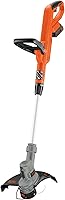
How to Properly String a String Trimmer
To properly string a string trimmer, match the line diameter to your trimmer head, wind or feed the line evenly, and keep it taut without stretching it. Leave a short tail on each side, then bump or press the feed and test the trimmer on open grass before edging along a wall.
On this page (8 sections)
- What size line does your string trimmer need?
- How do you load a spool on a bump feed head?
- How do you string a manual feed trimmer head?
- How much line should stick out of the head?
- Why does new trimmer line break or tangle?
- How do you keep tension even while stringing?
- What should you do before and after each trim?
- How do you know the line is strung correctly?
To properly string a string trimmer, match the line diameter to your trimmer head, wind or feed the line evenly, and keep it taut without stretching it. Leave a short tail on each side, then bump or press the feed and test the trimmer on open grass before edging along a wall.
Most snapping and tangling problems start before the trimmer runs. A little care at the spool saves you a lot of stopping and starting later in the yard.
What size line does your string trimmer need?
Use the line diameter your trimmer head specifies, and never guess. The size sits on the spool, the head, or in the manual, and it's usually something like 0.065 inch, 0.080 inch, or 0.095 inch.
A head built for 0.065 inch line won't handle 0.095 inch line smoothly. The thicker line can bind in the spool, drag on the motor, and wear the feed mechanism faster.
The opposite is also a problem. Line that's too thin for the head wears down quickly and leaves a ragged edge on grass.
If your trimmer has a dual-line head, both sides should carry the same diameter.
Check whether the trimmer takes pre-cut line or a bulk spool. Pre-cut lengths are already the right size for the head, while bulk spools let you wind your own.
Either way, the diameter must match.
How do you load a spool on a bump feed head?
Open the head, wind the line in the direction marked on the spool, and feed the ends through the eyelets. Most bump feed heads follow the same basic order, even when the parts look different.
- Remove the battery or unplug the trimmer first.
- Take off the spool cap and lift out the spool.
- Find the arrow on the spool that shows the winding direction.
- Wind the line evenly, keeping light tension as you go.
- Thread each end through the eyelet on its side of the head.
- Replace the spool and cap, then bump to feed fresh line.
Keep the windings flat and side by side. Crossed line on the spool is the main cause of the line jamming when you bump the head.
Leave a few inches of tail on each side so you have something to grab.
Once the cap is back on, start the trimmer away from walls and fences. Tap the head on the ground to feed line, then check that both sides are roughly even before you trim.
How do you string a manual feed trimmer head?
Stop the trimmer, open the head, and pull the line through by hand. Manual heads take a little longer, but you control exactly how much line sits outside the head.
Follow the trimmer's instructions for the order of parts. Most heads have a spool, a spring, and a cap that all need to sit in the right place.
Line that's threaded on the wrong side of the spool won't feed when you need it.
Pull a length of line out on each side and check the tail length. Cut it evenly if the ends look uneven.
Close the head firmly, then turn the trimmer on and let it run for a moment to settle the line.
The WORX WG163 uses a push button command feed spool, so you press a button instead of bumping the head. {{product B018S68U40 | A 2-in-1 trimmer and edger with a push button feed spool that releases line without a bump.}}
If you're still shopping for a trimmer, the 20v string trimmer options are light enough to handle line changes without arm fatigue. If you want more cutting power for thick grass, look at a 40v string trimmer instead.
How much line should stick out of the head?
Leave about 4 to 6 inches on each side on a dual-line head. Check the trimmer's manual, because the exact length varies by head and cutting width.
Too much line is a common mistake. Long tails snag on fences, shrubs, and rocks, and they can wrap around the head or pull the line back inside.
They also make the motor work harder.
Too little line is just as bad. The line gets pulled into the head as soon as the trimmer starts, or it wears down to a stub before you finish the edge.
Short line also leaves a ragged cut.
A quick check after stringing saves trouble. Hold the trimmer away from your body, start it, and look at both sides.
If one side is much longer, stop and adjust before you trim anything.
Why does new trimmer line break or tangle?
Most breaks come from the wrong diameter, uneven winding, or line that has dried out. Fix those three things and the snapping slows down noticeably.
Line left in the sun or in a hot shed gets brittle. Store spare spools in a sealed bag in a cool, dry spot.
Old line that snaps as soon as it touches grass is usually past its best.
Crossed windings on the spool cause the feed to jam. Wind the line in flat layers and keep light tension.
If the line jumps off the spool, stop and rewind it rather than forcing more line through.
Pushing the trimmer into thick brush or dragging the head against concrete wears line fast. Cut in steps at a steady pace.
Let the line do the cutting instead of forcing the head into the grass.
Fresh line in the right size makes a difference. {{product B07TX86FBV | Pre-cut 0.095 inch twisted line in a 5-pack for EGO 15 inch string trimmers and the multi-head trimmer attachment.}}
How do you keep tension even while stringing?
Wind with light, steady tension, enough to keep the line snug but not stretched. Pulling hard stretches the line, and stretched line loses its shape once it's on the spool.
Hold the spool in one hand and guide the line with the other. Keep the line flat against the spool as you turn it.
If the line starts to cross itself, back up and rewind that section.
Don't overfill the spool. Leave a little room below the rim so the cap fits and the line can move freely.
An overfilled spool pushes line against the cap and jams the feed.
When you finish winding, give the ends a gentle tug to seat them in the eyelets. Snug is enough.
A hard yank can pull the winding loose before you even start the trimmer.
What should you do before and after each trim?
Check the line length and the head before you start, and clear the area of hard objects. A few seconds of checking prevents most mid-job line changes.
Walk the area first. Pick up rocks, wire, and toys that could catch the line.
Mark any fence posts or sprinkler heads you plan to trim around so you don't hit them at full speed.
Start the trimmer on open grass, away from walls. Let it run for a moment and check that both lines feed evenly.
If one side is short, bump or press the feed before you move to the edge.
After trimming, tap the head to feed a little fresh line and run the trimmer briefly. This clears grass clippings from the head and keeps the line from drying onto the spool.
Wipe the head clean if it's caked with sap or dirt.
For readers who want a lighter machine, the string trimmer for seniors picks are easier on the arms during repeated line changes. If you plan to add edging or other attachments later, a string trimmer with attachments gives you more options.
How do you know the line is strung correctly?
The trimmer runs smoothly, both lines are even, and the head feeds line without jamming. That's the practical test, and it's the one to repeat after every spool change.
If the line jams right away, the winding direction is probably wrong or the spool is overfilled. If one side keeps pulling in, the tail on that side is too short.
If the line snaps at the eyelet, check the diameter and look for a rough edge on the eyelet.
The Dewalt line comes in a 225 foot spool at 0.080 inch. {{product B00TF02JXC | A long 0.080 inch bulk spool that keeps you supplied through a full season of trimming.}}
Once you've got the hang of how to properly string a string trimmer, the job takes a few minutes. Match the diameter, wind evenly, keep the tails even, and test on open grass.
Pick a bulk spool for regular trimming or pre-cut line for a quick change, and store your spare line dry and out of the sun.
Frequently asked questions
Does line size really matter on a string trimmer?
Yes. A trimmer head is built for one line diameter, and using a thicker line can jam the spool or overload the motor, while thinner line wears through faster.
Look for the diameter marked on the head or in the manual, such as 0.065 inch or 0.095 inch, and buy line in that size.
How do you keep string trimmer line from breaking so often?
Feed enough line, keep it at the right length, and avoid dragging the head through thick brush or against hard surfaces. Line also dries out and gets brittle over time, so store spare spools in a sealed bag away from sun.
Fresh, correctly sized line snaps far less than old line.
Should you soak trimmer line in water before stringing it?
No. Soaking is an old habit, and manufacturers of nylon line don't recommend it.
Wet line can swell and jam a spool, and it doesn't make the line stronger.
Store line dry and room temperature, and wind it onto the spool with light, even tension.
What is the difference between a bump feed and a manual feed trimmer head?
A bump feed head releases more line when you tap it on the ground while the trimmer runs. A manual head makes you stop the trimmer, open the spool, and pull or rewind line by hand.
Bump heads are quicker day to day, while manual heads give you more control over line length.
Can you put the wrong line on a string trimmer and damage it?
It can happen. Oversized line on a small head can bind in the spool and strain the motor, while line that's too thin wears out fast and leaves a ragged cut.
Stick to the diameter the trimmer specifies, and use line designed for string trimmers rather than fishing line or twine.