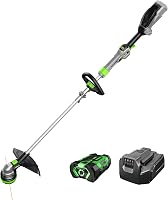
How to Load a Greenworks String Trimmer
To load a Greenworks string trimmer, match your head type first: Load N' Go heads take a pre-wound spool, while bump-feed heads need line wound onto the spool. Feed the line through the eyelets, keep it snug, and test-spin away from people before trimming.
On this page (10 sections)
- Which Greenworks trimmer head do you have?
- What line size does your Greenworks trimmer take?
- How to load a Greenworks Load N' Go head
- How to wind line onto a bump-feed spool
- How do you thread the line through the eyelets?
- Why does your trimmer line keep breaking or feeding badly?
- Which trimmer makes line loading easiest?
- How do you keep a loaded trimmer cutting cleanly?
- What should you do if the line still won't feed?
- Which line and trimmer should you buy?
To load a Greenworks string trimmer, first match your head type: a Load N' Go head takes a pre-wound spool, while a standard bump-feed head needs line wound onto the spool yourself. Then thread the line through the eyelets, keep it snug, and test-spin the trimmer away from people and windows before you trim.
The steps below cover both styles, so you can find your head type and follow the right sequence. The two trimmer models in this guide use different line sizes, which matters more than most people expect.
Which Greenworks trimmer head do you have?
Look at the head on your trimmer before buying line or opening the spool. Greenworks builds two common reload styles: Load N' Go heads and standard bump-feed heads.
The Greenworks 60V 16-inch trimmer uses a Load N' Go head with 0.095-inch dual line. Greenworks says this head is made for fast line reloading, so it saves time when you're already mid-job.
The Greenworks 40V 12-inch trimmer uses 0.065-inch dual line on an auto-feed head. Greenworks says that head advances the line during operation, so you don't bump it on the ground to feed more.
Check the spool, the trimmer's manual or the head itself for the model number and line size. Once you know both, the rest of the process is straightforward.
What line size does your Greenworks trimmer take?
Line size must match the head, because a thinner line snaps and a thicker line jams. Greenworks lists 0.095-inch dual line for the 60V 16-inch model and 0.065-inch dual line for the 40V 12-inch model.
Line diameter isn't the only difference. Line stiffness also affects how cleanly it feeds through the eyelets, so a coiled line that kinks easily can snag even at the right size.
Buy line labeled for your diameter and keep a spare spool or two. A spare spool turns a mid-job line break into a two-minute fix instead of a trip to the store.
How to load a Greenworks Load N' Go head
The Load N' Go head is the quicker of the two to reload. Greenworks designed it so you spend less time fiddling and more time trimming.
Start by removing the battery so the motor can't start. Turn the trimmer over and find the spool cover on the head.
Follow the head's load markings and feed the line through the eyelets as the head directs. Greenworks calls this quick line reloading, and the head's design does most of the work for you.
Seat the spool cover back on until it clicks or locks. Pull any slack line snug, then reinstall the battery and test the trimmer in open space.
What to check before you trim
Spin the trimmer briefly away from people, cars and windows. A short test tells you whether the line feeds evenly and whether the head is seated correctly.
Hold the trimmer at a safe height and let the head reach full speed. If the line length looks uneven or the head wobbles, stop and reseat the spool cover.
How to wind line onto a bump-feed spool
A bump-feed or auto-feed spool needs line wound by hand in an even layer. Uneven winding causes tangles and early breaks, so take your time here.
Remove the battery first. Take the spool out of the head and clear any old line or debris from it.
Find the arrow on the spool that shows the winding direction. Wind the line in that direction, keeping tension steady and the layers even across the spool.
Hook the line ends into the spool's retaining notches. Feed a short length of line through each eyelet in the head, then fit the spool back in place.
How much line should you wind?
Fill the spool to about the level the manual shows, not past the rim. Overfilling makes the line bind against the head cover and feed poorly.
Keep the last few inches free so you can thread the eyelets. If the line won't stay in the notches, the spool may be too full or the line too stiff.
How do you thread the line through the eyelets?
Feed one end through each eyelet, then pull it snug against the spool. The eyelets guide the line out of the head as it spins, so a crossed or kinked thread will bind.
Check that the line sits in the eyelet slot, not on top of it. Pull gently until the line rests against the spool's retaining notch.
Leave a short tail outside the head. A long tail whips around and can hit the guard or your leg before the line settles.
Repeat on the other side if your head has two eyelets. Even lengths on both sides keep the head balanced when it spins.
Why does your trimmer line keep breaking or feeding badly?
Most line problems come from the wrong diameter, tight winding or trimming into hard objects. Fix the cause and the line will last longer.
Line that's too thin for the head snaps under load. Line that's too thick or too stiff feeds badly and can jam in the eyelets.
Match the diameter Greenworks lists for your model. Wind the line evenly and without over-tightening, since crossed layers trap the line and stop it feeding as the head spins.
Trim away from fences, walls and tree trunks. Hitting hard surfaces breaks line faster than any other habit.
When should you replace the spool or head?
Replace the spool when it's cracked, warped or worn at the eyelets. A damaged spool won't hold line evenly, and no amount of careful winding will fix that.
Check the head cover too. If it won't lock or the eyelets look chewed up, a new spool or head is the simpler fix.
Which trimmer makes line loading easiest?
The Greenworks 60V 16-inch trimmer is the easiest of the two to reload, because its Load N' Go head is built for quick changes. It's also the stronger trimmer for thicker grass.
That matters if you trim a larger yard or stop often to reload. The 16-inch cutting path covers more ground per pass, and the brushless motor gives steady power for demanding tasks.
It includes a 4.0 Ah battery, charger and spool, and Greenworks backs the tool and battery with a 4-year limited warranty. The battery also works with more than 75 other Greenworks 60V tools.
If you want a lighter trimmer for light trimming and edging, the 40V 12-inch model is the better fit. It weighs 12 pounds and its auto-feed head advances line on its own.
It comes with a 2.0 Ah battery and charger, and Greenworks covers the tool and battery with a 3-year limited warranty. The variable-speed trigger lets you ease off in delicate spots.
If you also own an EGO trimmer, EGO's pre-cut 0.095-inch line is a separate option for EGO heads. It isn't made for Greenworks trimmers, so keep it for EGO tools only.
To compare the two brands more closely, see our EGO vs Greenworks string trimmer breakdown.
How do you keep a loaded trimmer cutting cleanly?
Keep the line at the right length and clear the head after each session. A clean head feeds better and cuts more evenly.
Tap the head on the ground only if your model uses a bump-feed head. Auto-feed and Load N' Go heads handle line feed without bumping, so don't force it.
Clear grass and debris from the head and eyelets after trimming. Our guide to how to clean a trimmer covers the full routine before storage.
Store the trimmer with the battery removed. Check the line before your next session and reload early rather than mid-job.
What should you do if the line still won't feed?
Re-check the winding direction and the line size first. Those two mistakes cause most feed problems on any trimmer head.
Then check the spool seating. If the cover isn't locked, the spool can slip and the line won't advance.
Still stuck? Wind the spool again with fresh line of the stated diameter.
A fresh spool removes worn or kinked line from the equation.
Which line and trimmer should you buy?
For most people reloading a Greenworks trimmer, match the line to your head and keep a spare spool on hand. That's the whole trick to loading a Greenworks string trimmer without wasted time.
The 60V 16-inch trimmer is the better pick for bigger yards and frequent reloads, thanks to its Load N' Go head. The 40V 12-inch model suits lighter trimming and weighs less at 12 pounds.
Line size decides the rest: 0.095-inch dual line for the 60V 16-inch model, 0.065-inch dual line for the 40V 12-inch model. Buy the right diameter and keep the spool wound evenly.
If you're still choosing a trimmer, compare the 20V string trimmer options or the 40V string trimmer models before you buy.
Frequently asked questions
Can I use any brand of trimmer line in a Greenworks trimmer?
It's safest to use line that matches your trimmer's stated diameter. Greenworks lists 0.095-inch dual line for the 60V 16-inch model and 0.065-inch dual line for the 40V 12-inch model.
Line of a different size or stiffness can feed badly or break early.
Why does my Greenworks trimmer keep breaking line?
Common causes are line that's too thin or too stiff for the head, line packed too tightly on the spool, or trimming into fences and thick brush. Re-wind the spool evenly, keep the line at the stated diameter, and let the head do the cutting at a steady speed.
How do I keep line from unraveling off the spool?
Wind the line evenly and snugly, and hook the ends into the spool's retaining notches before you fit the spool back into the head. Feed only a short length through the eyelets so the head can pull the rest out as it spins.
Do I need to remove the battery before loading line?
Yes. Take the battery out of the trimmer before you remove the spool or head, so the motor can't start while your hands are near the cutting area.
Reinstall the spool and guard before you put the battery back in.